Color Psychology for Home Decor: How Colors Affect Your Mood
Use the power of colour to instantly transform the mood and feel of any room
For informational purposes only. This content reflects general guidance; individual results and circumstances vary.

Colour can change how a room looks and may influence how it feels, but no shade produces the same response in everyone. Lighting, culture, memories, room size, and personal preference all matter. Use colour psychology as a design prompt, then test the palette in your own space instead of treating it as a guaranteed way to change mood, health, or performance.
Key Takeaways
- Colour affects mood, but context decides how. Light, room use and personal association all shape the result.
- Match the colour to the room's purpose. Restful spaces and active spaces call for different palettes.
- Culture and memory influence response. No colour carries the same meaning for everyone.
- Test before committing. Large samples viewed at different times of day prevent expensive mistakes.
The Science of Color Psychology
Colour choices are shaped by perception and context. Common associations can be useful when planning a room, but they are not fixed rules:
- Perception: Brightness, contrast, saturation, and surrounding colours change how a shade is experienced.
- Context: The same colour can feel welcoming, formal, playful, or heavy depending on the room and its use.
- Cultural influences: Learned associations from society and experience
- Personal memories: Individual color associations based on life experiences
- Personal response: Memories, culture, accessibility needs, and preference can outweigh general colour associations.
Understanding Color Categories
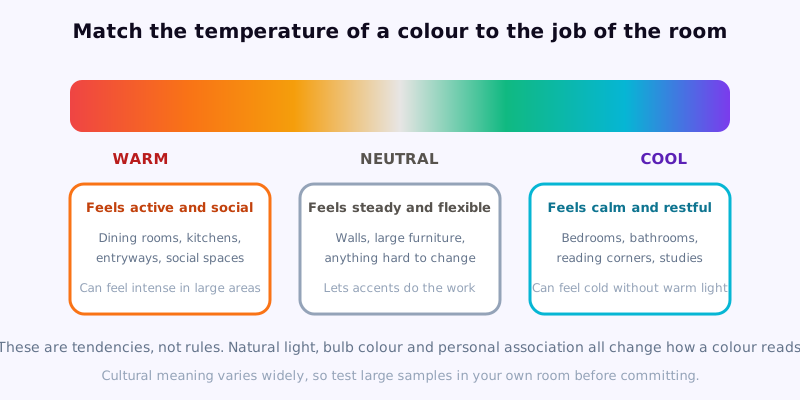
Warm Colors (Red, Orange, Yellow)
- Energy effects: Stimulating, energizing, attention-grabbing
- Emotional responses: Excitement, warmth, passion, optimism
- Room experience: A warm shade can feel lively or cosy, depending on its intensity and the lighting.
- Best uses: Social spaces, exercise areas, creative environments
- Cautions: Can be overwhelming in large quantities or bedroom settings
Cool Colors (Blue, Green, Purple)
- Energy effects: Calming, relaxing, focusing
- Emotional responses: Peace, tranquility, stability, concentration
- Room experience: A cool shade can feel calm or distant, depending on its undertone and surrounding finishes.
- Best uses: Bedrooms, offices, meditation spaces
- Cautions: Too much can feel cold or depressing
Neutral Colors (White, Gray, Beige, Brown)
- Energy effects: Balanced, grounding, versatile
- Emotional responses: Calm, sophisticated, timeless
- Room experience: Neutrals can provide a flexible base, but the result depends on texture, light, and contrast.
- Best uses: Base colors, professional settings, minimalist spaces
- Cautions: Can feel sterile or boring without accent colors
Individual Color Meanings and Effects
Red: Power and Passion
- Positive effects: Energy, confidence, passion, motivation
- Negative effects: Aggression, anxiety, overstimulation
- Design use: Use red as an accent when you want warmth or visual focus; test it before using it across a large wall.
- Best for: Gyms, dining rooms, accent walls
- Avoid in: Bedrooms, meditation spaces, areas for relaxation
Orange: Enthusiasm and Creativity
- Positive effects: Enthusiasm, creativity, warmth, friendliness
- Negative effects: Can be overwhelming, frivolous feeling
- Design use: Orange can add warmth and playfulness, though strong versions may feel intense in small rooms.
- Best for: Playrooms, creative spaces, social areas
- Avoid in: Formal spaces, areas requiring deep concentration
Yellow: Happiness and Mental Stimulation
- Positive effects: Happiness, optimism, mental clarity, communication
- Negative effects: Anxiety, frustration, eye strain
- Design use: Yellow can brighten a room; softer or muted versions are often easier to live with than vivid yellow.
- Best for: Kitchens, home offices, creative spaces
- Avoid in: Large bedrooms, spaces for calm relaxation
Green: Balance and Growth
- Positive effects: Balance, harmony, growth, renewal, focus
- Negative effects: Boredom, stagnation (in wrong shades)
- Design use: Green can connect a room with nature, but its effect still depends on shade, light, and personal taste.
- Best for: Any room, offices, meditation spaces
- Universal appeal: Most balanced color psychologically
Blue: Calm and Productivity
- Positive effects: Calmness, trust, productivity, stability
- Negative effects: Coldness, sadness, decreased appetite
- Design use: Blue can create a quiet visual base, while a very cool or dark blue may feel unwelcoming in a poorly lit room.
- Best for: Bedrooms, offices, bathrooms
- Avoid in: Dining rooms, social gathering spaces
Purple: Luxury and Spirituality
- Positive effects: Creativity, luxury, spirituality, imagination
- Negative effects: Moodiness, isolation, artificiality
- Physical impact: Can suppress appetite, promote introspection
- Best for: Creative spaces, meditation rooms, accent colors
- Use sparingly: Intense purple can be overwhelming
Pink: Nurturing and Compassion
- Positive effects: Nurturing, compassion, love, calming
- Negative effects: Over-emotional, weakness, naivety
- Physical impact: Initially calming, can become agitating
- Best for: Nurseries, bedrooms, spaces for emotional healing
- Consider shades: Soft pinks vs. bright magentas have different effects
Applying Color Psychology in Your Home
Bedroom Color Strategies
- Primary recommendation: Cool, muted colors for rest
- Best choices: Soft blues, greens, lavender, neutral tones
- Accent ideas: Warm accent pillows or artwork
- Avoid: Bright reds, oranges, or stimulating yellows
- Consider lighting: How colors look under different light conditions
Living Room Color Schemes
- Purpose consideration: Relaxation vs. entertaining vs. family time
- Balanced approach: Neutral base with colorful accents
- Seasonal changes: Switch accent colors for different moods
- Natural elements: Earth tones and greens for grounding
- Personal expression: Include colors that reflect your personality
Kitchen Color Psychology
- Appetite stimulation: Warm colors like red, orange, yellow
- Clean feeling: White and light colors suggest cleanliness
- Social atmosphere: Warm tones encourage gathering
- Avoid blue: Can suppress appetite and feel cold
- Balance warmth: Use cool accents to prevent overwhelm
Home Office Color Optimization
- Productivity boost: Blue for focus, green for balance
- Creativity enhancement: Yellow or orange accents
- Reduce eye strain: Avoid stark white, choose warmer neutrals
- Energy management: Adjust colors based on work type
- Professional appearance: Consider video call backgrounds
Color Psychology Beyond the Home
Wardrobe Color Strategy
- Confidence colors: Red for power, blue for trust
- Mood enhancement: Choose colors that support your desired emotional state
- Professional impact: Navy blue for competence, gray for sophistication
- Personal energy: Wear colors that make you feel good
- Occasion appropriateness: Match color psychology to event goals
Exercise and Fitness Colors
- Energy boosting: Red and orange for high-intensity workouts
- Focus enhancement: Blue for yoga and mindful movement
- Motivation support: Bright, energizing colors for gym spaces
- Recovery environments: Cool, calming colors for stretching areas
Cultural and Personal Considerations
Cultural Color Meanings
- Western cultures: White for purity, black for elegance
- Eastern cultures: Red for luck, white for mourning
- Regional variations: Different associations within cultures
- Religious significance: Colors may have spiritual meanings
- Personal respect: Honor individual cultural backgrounds
Individual Color Preferences
- Personal history: Past experiences shape color associations
- Personality type: Introverts vs. extroverts may prefer different colors
- Age factors: Color preferences often change with age
- Seasonal affective patterns: Some people need more bright colors in winter
- Trial and observation: Pay attention to how colors actually affect you
Practical Color Implementation
Small Changes, Big Impact
- Accent pillows: Easy, affordable way to introduce new colors
- Artwork and accessories: Add color without major commitment
- Plants and flowers: Natural color that changes with seasons
- Lighting choices: Warm vs. cool light affects color perception
- Textiles and rugs: Soft furnishings for color experimentation
Testing Color Changes
- Paint samples: Test large swatches in different lighting
- Temporary changes: Use removable wallpaper or large art pieces
- Gradual introduction: Add color slowly to gauge your response
- Room by room: Start with less critical spaces
- Seasonal trials: Try different colors during different times of year
Color Combinations and Harmony
Complementary Color Schemes
- Opposite colors: Red-green, blue-orange, yellow-purple
- High contrast: Creates energy and visual interest
- Balance required: Use one color dominantly, other as accent
- Applications: Artwork, accent pieces, not large areas
Analogous Color Schemes
- Adjacent colors: Blue-green-purple, red-orange-yellow
- Harmonious feeling: Creates calm, cohesive environments
- Easy on eyes: Natural color progressions
- Applications: Entire rooms, flow between spaces
Monochromatic Schemes
- Single color variations: Different shades, tints, tones of one color
- Sophisticated look: Creates elegant, unified appearance
- Texture importance: Rely on texture for visual interest
- Applications: Minimalist spaces, professional environments
Managing Color Overwhelm
Signs of Color Overload
- Feeling restless or agitated in certain spaces
- Difficulty relaxing or concentrating
- Eye strain or headaches in particular rooms
- Avoiding certain areas of your home
- Feeling emotionally unsettled by color choices
Creating Color Balance
- 60-30-10 rule: 60% dominant, 30% secondary, 10% accent colors
- Neutral foundations: Build colorful accents on neutral base
- Rest areas: Include spaces with minimal color stimulation
- Natural elements: Wood, stone, plants provide grounding
- Lighting adjustment: Use lighting to modify color intensity
Color Psychology for Special Needs
Supporting Comfortable Spaces
- For low-stimulation rooms: Try restrained contrast, softer tones, and adjustable lighting if that feels more comfortable.
- For focus areas: Reduce glare and visual clutter first; use colour accents only if they help you stay oriented.
- For shared spaces: Choose a palette that works for the people using the room rather than assuming one colour affects everyone alike.
- For ongoing health concerns: Treat paint as a design choice, not a replacement for professional support or treatment.
Age-Related Considerations
- Children's spaces: Stimulating but not overwhelming colors
- Teen environments: Allow personal expression and identity colors
- Senior living: Good contrast for vision, calming environments
- Multi-generational homes: Balance different age-related needs
Frequently Asked Questions
What is color psychology and does it actually work?
Colour psychology explores how colour can influence perception and mood. Effects are not universal: culture, lighting, personal memories, and the surrounding colours all matter. Use these associations as a starting point for choosing a room palette, then judge the result in your own space rather than treating any colour as a guaranteed mood change.
What is the best color to paint a bedroom?
Soft, muted tones are a practical starting point because they are often easy to live with, but there is no universal best bedroom colour. Test samples in morning and evening light, consider the bedding and flooring, and choose the shade that feels comfortable to you. If a vivid colour makes you happy, use it in a smaller area or as an accent.
What colors increase productivity in a home office?
Blue and green are common starting points for a calm home office, but colour effects vary with lighting, personal preference, and the rest of the room. Test samples in the actual workspace and prioritise comfortable lighting, readable contrast, and reduced glare. A productive room is usually one that supports your working habits rather than one that follows a fixed colour rule.
Are there colors to avoid in home decor?
Avoid using stimulating or aggressive colors as dominant wall colors in relaxation spaces — bright red, intense orange, and fluorescent shades are best kept as small accents rather than room-wide choices. Very dark colors (deep navy, charcoal, black) can be stunning but need ample natural light and good artificial lighting to prevent rooms from feeling oppressive. Mixing too many clashing colors without a unifying neutral creates visual chaos that feels stressful rather than lively.
How do I choose colors for my home if I'm not sure where to start?
Start with a piece you love — an artwork, a rug, or a cushion — and pull colors from it for your room palette. Use the 60-30-10 rule: 60% dominant color (walls), 30% secondary color (large furniture), 10% accent color (cushions, artwork, accessories). Test paint samples in large swatches on the actual wall and observe them in different lighting conditions (morning, midday, evening, artificial light) before committing. Warm and cool lighting dramatically change how paint colors appear.
Colour psychology is most useful as a way to think about atmosphere, contrast, and personal preference. Start with a small sample, observe it in changing light, and notice how it works with the room's materials and purpose. Use general associations as suggestions, not promises, and let comfort and accessibility guide the final choice.