How to Cook Well on a Budget
Eat well every day without overspending — smart cooking on a budget

Eating well on a tight budget is absolutely possible — and often more creative and satisfying than expensive restaurant meals. The biggest driver of food costs isn't the quality of your ingredients; it's waste, impulse buying, and a lack of planning. With a few simple strategies, you can dramatically reduce your food spending while making flavourful meals every day.
Key Takeaways
- Most savings happen before you cook. Shopping lists and planning cut impulse spending more than any recipe swap.
- A stocked pantry lowers the cost of every meal. Staples turn cheap produce into complete dishes.
- Waste is hidden spending. Using leftovers and storing food properly protects the budget you already spent.
- Protein does not have to mean meat. Legumes, eggs and grains carry meals at a lower cost per serving.
Smart Shopping Strategies
- Shop with a list: Going in without a plan leads to impulse buys and forgotten essentials
- Buy in bulk for non-perishables: Rice, lentils, oats, and pasta are cheaper per unit in larger quantities
- Check unit prices: The bigger package isn't always cheaper — always divide by quantity
- Shop seasonally: In-season produce is fresher, more flavourful, and significantly cheaper
- Compare store brands: Generic or store-brand items are often identical to name brands
- Use frozen vegetables: Convenient, often cheaper, and easy to portion with little waste
The Budget Pantry: Affordable Staples to Always Have
- Dried lentils and beans: Versatile, filling, and among the cheapest foods available
- Rice and oats: Filling base for meals and breakfasts at very low cost
- Eggs: Affordable and endlessly versatile across all meal types
- Canned tomatoes: Base for sauces, soups, and stews — always worth stocking
- Cabbage and onions: Cheap, long-lasting, and flavourful in many dishes
- Seasonal root vegetables: Potatoes, carrots, and sweet potatoes are affordable and filling
Budget Cooking Techniques That Maximise Flavour
- Toast your spices: Dry-toasting whole spices before grinding intensifies their flavour for free
- Caramelise onions slowly: Time transforms cheap onions into something sweet and complex
- Use braising for cheaper cuts: Long, slow cooking makes inexpensive meat incredibly tender
- Make your own broth: Simmer vegetable scraps and chicken bones instead of buying stock
- Cook beans from scratch: Dried beans cost a fraction of canned and taste better when seasoned
Reduce Food Waste to Save Money
- Plan meals before shopping: Only buy what you'll use — waste is the biggest hidden food cost
- Love your leftovers: Repurpose yesterday's dinner into today's lunch
- Understand date labels: "Best before" is quality, not safety — many items are fine beyond that date
- Use the whole vegetable: Broccoli stems, carrot tops, and herb stems are all edible
- Freeze before it spoils: Bread, meat, and cooked grains all freeze well
Budget Meal Ideas Under $5 per Serving
- Dal and rice: Spiced lentils over steamed rice — filling and inexpensive per serving
- Vegetable stir-fry: Whatever is in the fridge over noodles or rice with soy sauce and garlic
- Frittata or shakshuka: Eggs baked with any available vegetables — colourful and cheap
- Bean and rice burritos: Seasoned black beans, rice, and salsa in a flour tortilla
- Pasta e fagioli: Pasta with white beans in a tomato broth — Italian comfort food for very little
Cheap Protein Sources Beyond Chicken
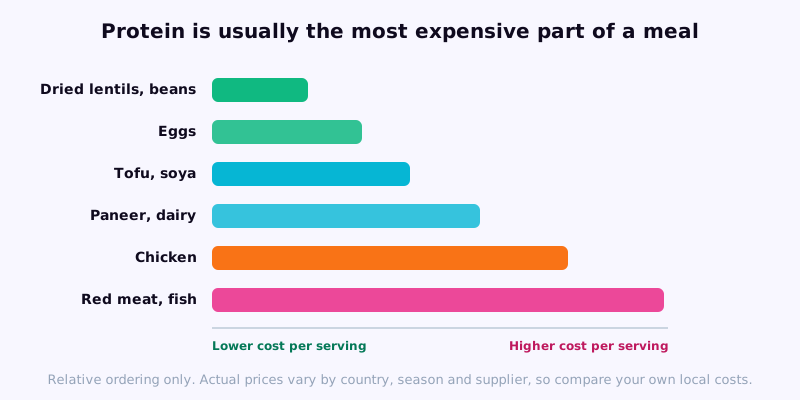
Chicken breast has become the default budget protein for many cooks, but it is not always the cheapest option — and over-reliance on a single ingredient leads to flavour fatigue fast. There is a wide range of affordable ingredients that are often cheaper and, in many cases, more versatile and flavourful than boneless chicken breast.
- Dried lentils and chickpeas: Among the cheapest proteins per gram available anywhere. A 500g bag of dried lentils costs very little and makes enough dal for six to eight servings.
- Eggs: Arguably the most versatile food in existence — scrambled, poached, baked into frittatas, or hard-boiled as a snack. High-quality protein at a very low price point.
- Canned sardines, mackerel, and tuna: Affordable, shelf-stable, packed with protein and omega-3s. Excellent in pasta, salads, on toast, and in rice bowls.
- Tofu and tempeh: Plant-based proteins that absorb flavours readily. Firm tofu crisps up beautifully when pan-fried; tempeh has a nutty depth that works well in stir-fries and grain bowls.
- Chicken thighs and drumsticks: If you do buy chicken, choose thighs and legs over breasts — they are cheaper, harder to overcook, and far more flavourful for braises and curries.
- Peanut butter and nut butters: A tablespoon added to sauces, smoothies, or on toast provides a meaningful protein boost at minimal cost.
Meal Planning to Avoid Impulse Buys and Cut Waste
The single biggest driver of overspending on food is not the cost of individual ingredients — it is shopping without a plan. Impulse purchases, duplicate items, and forgotten fresh produce that spoils before being used collectively account for a significant portion of most household food budgets. A simple weekly meal plan takes 10–15 minutes and can reduce your grocery bill noticeably within the first week.
- Plan 5 dinners, not 7: Accounting for one takeaway night and one leftovers night makes the plan realistic and avoids over-buying perishables you won't use.
- Choose recipes that share ingredients: If one recipe uses half a can of coconut milk, plan another that uses the rest. If you buy a bunch of coriander, use it across multiple dishes that week.
- Write your shopping list from the plan: Check what you already have before writing anything down — this prevents buying duplicates and helps you work through existing pantry stock.
- Shop on a full stomach: Hunger while shopping leads directly to impulse buys — a 20-minute supermarket trip on an empty stomach can easily add unnecessary items to your basket.
- Designate a weekly use-it-up meal: One dinner per week should be built entirely from whatever is left in the fridge and pantry — no shopping needed, zero waste, and often surprisingly delicious.
Frequently Asked Questions
What are the cheapest healthy proteins to cook with?
Dried lentils and chickpeas are the cheapest protein sources per gram — they're nutritionally excellent, very filling, and incredibly versatile. Eggs are the next best value, offering high-quality protein at a low cost. Canned sardines and mackerel are affordable, shelf-stable, and rich in omega-3s. Tofu and tempeh are great plant-based options. Among meats, chicken thighs and drumsticks are significantly cheaper than breast while being more flavourful.
How do you meal plan effectively on a tight budget?
Plan 5 dinners per week, not 7 — leave room for leftovers and the occasional flexible night. Choose recipes that share ingredients so nothing is wasted (if one recipe needs half a tin of coconut milk, plan another that uses the rest). Write your shopping list from the plan and check your pantry first to avoid buying duplicates. A 15-minute weekly planning session will consistently save more money than any coupon or loyalty card.
Which vegetables are cheapest but most nutritious?
Cabbage, onions, carrots, potatoes, and sweet potatoes are among the cheapest vegetables available year-round and are very nutritious. Frozen spinach, peas, and mixed vegetables are nutritionally equivalent to fresh and significantly cheaper. Eggs (technically not a vegetable, but often grouped here) and canned tomatoes offer exceptional nutritional value for their cost. Seasonal produce is always cheaper — buy what's abundant locally.
How can you reduce food waste to save money?
The most effective waste-reduction habit is planning meals before you shop rather than shopping and then figuring out what to cook. Use the freezer aggressively — freeze bread, cooked grains, blanched vegetables, and meat before they spoil. Understand the difference between "best before" (quality) and "use by" (safety) labels. Designate one meal per week as a "use-it-up" dinner built entirely from what's already in the fridge and pantry.
How do you cook on a budget when cooking for one or two people?
Cooking for small households is tricky because many recipes are sized for four or more, and fresh produce can go to waste before it's used. Focus on flexible ingredients that work across multiple meals — a batch of cooked lentils becomes soup on day one and a curry the next. Embrace half-quantities and batch cooking with freezing. Buy smaller amounts of fresh produce more frequently, or choose frozen vegetables to avoid waste entirely.
Budget cooking is a skill that pays off in every direction — your wallet, your fridge, and your cooking confidence. The best budget cooks aren't restricting themselves; they're being creative with simple ingredients, reducing waste, and building a repertoire of satisfying, affordable meals. Start with one or two of these strategies, master your pantry staples, and you'll find that "cooking cheap" quickly starts to feel like cooking smart.