How to Declutter Your Entire Home: Room-by-Room Guide
A step-by-step approach to clearing the clutter and reclaiming your space

A cluttered space often reflects a cluttered mind, and the reverse is equally true—an organized, decluttered environment can bring clarity, peace, and productivity to your life. Decluttering isn't just about having a tidy home; it's about creating a space that supports your wellbeing, reduces stress, and allows you to focus on what truly matters. The process of letting go of excess possessions can be transformative, leading to greater appreciation for what you keep and more intentional living.
Key Takeaways
- Clutter is usually a decision backlog. Most piles represent choices that were deferred rather than a lack of storage.
- The four-box method forces a decision. Keep, donate, relocate or discard prevents items circling the house.
- Work room by room. A defined area gives visible progress and avoids spreading mess.
- Maintenance is the real project. Without habits, decluttered spaces refill within months.
The Psychology of Clutter
Understanding why clutter accumulates and how it affects us is the first step toward lasting change:
- Stress and overwhelm: Clutter creates visual chaos and can contribute to feelings of stress and overwhelm
- Decision fatigue: Too many options exhaust mental energy
- Emotional attachments: Items carry memories, guilt, or aspirational meanings
- Fear of scarcity: "What if I need this someday?" thinking
- Social pressure: Keeping up with consumer culture expectations
- Procrastination: Avoiding decisions about what to keep or discard
Benefits of a Decluttered Space
- Reduced stress: Clean spaces promote relaxation and mental clarity
- Increased productivity: Easy to find what you need when you need it
- Better sleep: Organized bedrooms create more restful environments
- Financial savings: Awareness of what you own prevents duplicate purchases
- Easier cleaning: Less stuff means faster, more efficient maintenance
- Enhanced creativity: Clear spaces allow for clearer thinking
- Improved household harmony: Less arguing about messes and lost items
The Decluttering Mindset
Shifting Your Perspective
- From scarcity to abundance: Trust that you have enough and can get what you truly need
- From perfection to progress: Small improvements are still improvements
- From all-or-nothing to gradual: Sustainable change happens over time
- From guilt to gratitude: Thank items for their service before letting them go
- From future fantasies to present reality: Keep only what serves your current life
Preparation for Success
- Choose the right time: Block out sufficient time without interruptions
- Gather supplies: Boxes or bags for donate, sell, trash, and relocate
- Start small: Begin with less emotionally charged areas
- Set realistic goals: One drawer, shelf, or small area at a time
- Plan for removal: Schedule donation pickups or disposal
The Four-Box Method
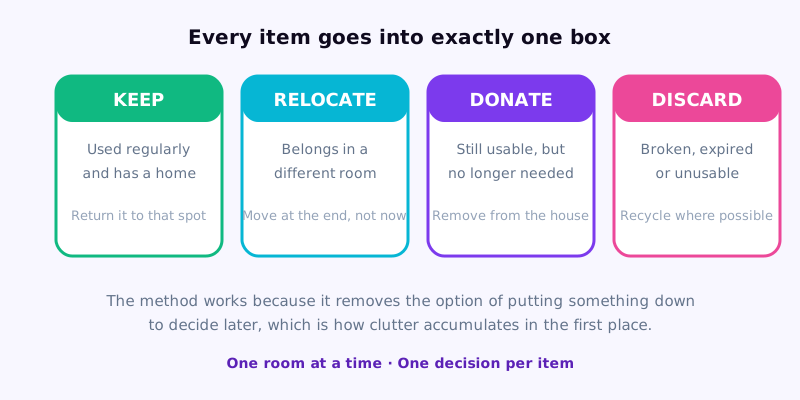
Label four containers for every item you encounter:
- Keep: Items you use regularly and truly love
- Donate/Sell: Good condition items others could enjoy
- Trash/Recycle: Broken, expired, or unsalvageable items
- Relocate: Items that belong in a different room or space
Room-by-Room Decluttering Strategy
Bedroom
- Closet: Apply the one-year rule—if unworn for a year, donate
- Nightstands: Keep only essentials like lamp, book, and phone charger
- Under the bed: Clear completely or use for seasonal storage only
- Dresser tops: Limit to 3-5 frequently used items
- Clothing: If it doesn't fit or make you feel good, let it go
Kitchen
- Expired items: Check all pantry, fridge, and spice dates
- Duplicate gadgets: Keep only the most useful versions
- Utensil drawer: Remove broken or never-used tools
- Cabinets: Store items near where they're used
- Countertops: Keep clear except for daily-use appliances
Living Room
- Media center: Discard scratched DVDs and outdated electronics
- Books and magazines: Keep favorites, donate the rest
- Decorative items: Less is more—choose meaningful pieces
- Furniture: Ensure each piece serves a purpose
- Remote controls: One remote caddy to contain them all
Bathroom
- Medicine cabinet: Dispose of expired medications safely
- Cosmetics: Discard old makeup and unused products
- Towels and linens: Keep enough for weekly washing cycles
- Cleaning supplies: Check expiration dates and effectiveness
- Toiletries: Finish current products before buying new ones
Office/Study Area
- Papers: Scan important documents, recycle the rest
- Supplies: Keep reasonable quantities of frequently used items
- Electronics: Remove or recycle non-functioning devices
- Books: Keep reference materials and favorites
- Desk surface: Clear everything except current projects
Decision-Making Framework
Questions to Ask About Each Item
- Do I use this regularly or love it deeply?
- Does this item serve my current lifestyle and goals?
- Would I buy this again today at full price?
- Does this spark joy or serve a clear purpose?
- Is this the best version of this type of item I own?
- Would someone else benefit more from having this?
Common Challenging Categories
- Sentimental items: Keep a representative sample, photograph the rest
- "Just in case" items: Set a reasonable limit and timeline
- Gifts you don't love: Honor the giver's intention, then donate
- Expensive mistakes: Learn from the purchase, don't compound with storage costs
- Aspirational items: Keep only if actively working toward that goal
Organizing What Remains
The Three Principles of Organization
- Like with like: Group similar items together
- Proximity: Store items near where they're used
- Visibility: Make it easy to see and access what you need
Storage Solutions
- Clear containers: See contents at a glance
- Labels: Make it easy for everyone to find and return items
- Vertical space: Use wall-mounted storage and stackable systems
- Drawer dividers: Keep small items organized and accessible
- Multi-purpose furniture: Ottoman storage, bed drawers, bench seating
Maintaining Your Decluttered Space
Daily Habits
- 10-minute pickup: Quick tidy before bed each night
- One in, one out: Remove something when bringing in something new
- Designated homes: Everything has a specific place
- Mail and paper flow: Handle immediately—file, act, or discard
- Kitchen reset: Clean and clear counters after each use
Weekly Maintenance
- 15-minute focus: Tackle one small area per week
- Laundry system: Wash, fold, and put away promptly
- Surface clearing: Keep tables, counters, and dressers clear
- Review purchases: Assess whether new items are adding value
Monthly and Seasonal Reviews
- Clothing rotation: Switch seasonal wardrobes, reassess items
- Pantry check: Use older items first, discard expired products
- Digital declutter: Organize files, photos, and emails
- Goal alignment: Ensure possessions still support current priorities
Preventing Future Clutter
Mindful Consumption
- Wait 24-48 hours: Before making non-essential purchases
- Quality over quantity: Buy fewer, better items
- Multi-purpose preference: Choose items that serve multiple functions
- Digital alternatives: E-books, streaming, cloud storage instead of physical items
- Rental or borrowing: For rarely used items
Managing Incoming Items
- Mail station: Designate a specific area for sorting
- Gift guidelines: Communicate preferences to family and friends
- Free stuff boundaries: Just because it's free doesn't mean you need it
- Seasonal decorations: Rotate rather than accumulate
- Children's items: Regular toy rotations and donation
Special Situations
Decluttering with Family
- Lead by example: Start with your own belongings
- Involve without forcing: Make it a family activity, not a chore
- Respect boundaries: Don't declutter others' belongings without permission
- Celebrate progress: Acknowledge everyone's efforts
- Create systems: Make organization easy for all family members
Small Space Decluttering
- Maximize vertical storage: Use wall space efficiently
- Multi-functional furniture: Storage ottomans, fold-down desks
- Regular purging: More frequent decluttering sessions
- Strict boundaries: Limited space requires discipline
- Seasonal rotation: Store off-season items elsewhere
Emotional Aspects of Decluttering
Dealing with Resistance
- Start small: Build confidence with easy wins
- Practice self-compassion: Be patient with yourself
- Focus on benefits: Remember why you want to declutter
- Seek support: Involve friends or hire professional organizers
- Take breaks: Don't push through emotional exhaustion
Honoring the Past While Embracing the Future
- Memory keeping: Create photo albums or shadow boxes for special items
- Gratitude practice: Thank items for their service before letting go
- Legacy consideration: Keep truly meaningful items for future generations
- Story sharing: Tell family stories rather than keeping every memento
- Present focus: Choose what serves your life now
Frequently Asked Questions
Where should I start decluttering when I feel overwhelmed?
Start with the smallest, least emotionally charged area you can find — a single drawer, one shelf, or your bathroom cabinet. Completing a small area quickly gives you a visible win and the momentum to continue. Avoid starting with sentimental items (photos, childhood belongings) — those come last, once your decision-making muscles are well-exercised.
How long does decluttering an entire home take?
For a typical home, a thorough declutter takes anywhere from a weekend (if working intensively) to several months (if doing one area per week). The size of your home and the volume of accumulated possessions matters less than consistency. Most people find that 2-3 focused hours per session, repeated weekly, makes a dramatic difference within a month without feeling overwhelming.
What should I do with items once I declutter them?
Have four bags or boxes ready as you work: donate (charity shops, friends, local buy-nothing groups), sell (Facebook Marketplace, eBay, car boot sales), recycle (check what your council accepts), and trash (genuinely broken or unsanitary items). Schedule collection or drop-off immediately — bags left sitting in hallways often get unpacked and put back.
How do I stop clutter from building up again after decluttering?
The key is adopting the one-in, one-out rule: every time something new enters your home, something old leaves. Process mail and deliveries the same day. Designate a specific home for every single item. And do a brief weekly reset — 10-15 minutes of putting misplaced items back — so small disorder never compounds into overwhelming clutter again.
What are some tips to stay motivated while decluttering?
Take before-and-after photos of each area you complete — seeing the transformation is highly motivating. Set a timer for 20-30 minute sessions so it feels manageable. Listen to a podcast or music while you work. Celebrate milestones (a whole room done, a car full donated). And remind yourself of your "why" — whether it's reduced stress, easier cleaning, or a calmer home environment.
Decluttering is more than organizing—it's about creating a life with less stuff and more meaning. The goal isn't perfection or minimalism for its own sake, but rather intentional living that supports your values and goals. Start small, be patient with the process, and remember that every item you remove makes space for what truly matters. A decluttered space becomes a foundation for a clearer mind, reduced stress, and greater appreciation for the things you choose to keep in your life.