Digital Minimalism: Use Your Phone Less, Enjoy Life More
Keep only the digital tools that truly serve you and cut out the rest
For informational purposes only. This content reflects general guidance; individual results and circumstances vary.

Digital minimalism is a philosophy and practice that involves being more intentional and selective about the technologies you allow into your life. In an age of constant notifications and always-on connectivity, digital minimalism offers a path to regain control over your attention, reduce technology-induced stress, and create more space for what truly matters. It's not about rejecting technology entirely, but rather about using it with purpose and preventing it from using you.
Key Takeaways
- Digital minimalism is about intent, not abstinence. The aim is deliberate use rather than removal.
- Attention costs are easy to miss. Constant switching carries a price that rarely feels obvious.
- A reset period clarifies what you miss. Stepping back reveals which tools genuinely add value.
- Replace, do not just remove. Better offline alternatives make reduced screen time sustainable.
Understanding Digital Minimalism
Digital minimalism, popularized by computer scientist and author Cal Newport, is founded on the principle that less can be more when it comes to technology. The core tenets include:
- Intentional technology use: Every digital tool should serve a specific, valuable purpose
- Quality over quantity: Choose fewer, better technologies rather than adopting everything available
- Value-based decisions: Technology choices should align with your personal values and goals
- Regular evaluation: Continuously assess whether technologies are adding genuine value
- Resistance to addiction: Actively combat the persuasive design meant to capture attention
The Hidden Costs of Digital Overload
Attention and Focus Degradation
Constant digital stimulation reshapes our brains in concerning ways:
- Attention residue: Task-switching leaves mental residue that reduces focus
- Shortened attention spans: Constant interruptions train the brain to seek stimulation
- Reduced deep thinking: Surface-level processing becomes the default mode
- Notification addiction: The brain becomes dependent on digital dopamine hits
- Difficulty with boredom: Loss of ability to be comfortable with unstimulated moments
Mental Health and Well-being Impacts
- Increased anxiety: Constant connectivity creates pressure to respond immediately
- Comparison culture: Social media fuels unhealthy social comparison
- Sleep disruption: Blue light and mental stimulation interfere with rest
- FOMO (Fear of Missing Out): Anxiety about not being constantly connected
- Decreased life satisfaction: Time spent online often correlates with reduced happiness
Social Consequences
- Reduced quality of face-to-face interactions
- Weakened ability to have sustained conversations
- Family conflicts over device usage
- Isolation despite being "connected" to many people
- Difficulty being fully present with loved ones
The Digital Minimalism Philosophy
Core Principles
1. Value-Driven Technology Adoption
Before adopting any new technology, ask yourself:
- Does this technology directly support something I deeply value?
- Is this the best way to support this value?
- How will I use this technology to maximize value and minimize harm?
- What am I giving up by adopting this technology?
2. Optimization Over Convenience
- Choose tools that do one thing exceptionally well rather than many things adequately
- Be willing to accept minor inconveniences for major benefits
- Resist the allure of "all-in-one" solutions that create dependency
- Prioritize tools that enhance rather than replace human capabilities
3. Intentional Configuration
- Customize technology settings to support your goals, not the company's
- Disable notifications that don't serve an important purpose
- Set up barriers that require intentional action to access distracting content
- Create technology-free zones and times in your life
The Digital Declutter Process
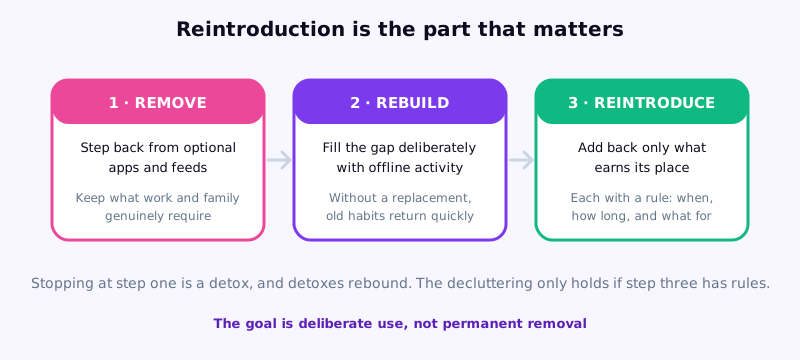
Step 1: The 30-Day Digital Detox
Begin your digital minimalism journey with a comprehensive reset:
- Identify optional technologies: List all non-essential digital tools (social media, streaming services, games, optional apps)
- Take a break: Eliminate these technologies completely for 30 days
- Discover alternatives: Fill the time with valuable offline activities
- Observe changes: Notice improvements in focus, mood, sleep, and daily routines
- Document insights: Keep a journal of your experiences and observations
Step 2: Reintroduction with Rules
After 30 days, selectively reintroduce technologies:
- Apply the value test: Only reintroduce technologies that clearly support your values
- Define operating procedures: Create specific rules for how and when you'll use each technology
- Set boundaries: Establish clear limits on time, location, and circumstances of use
- Monitor impact: Pay attention to how reintroduced technologies affect your well-being
- Be willing to eliminate: Remove technologies that prove problematic despite good intentions
Step 3: Building New Habits
- Develop a repertoire of high-quality leisure activities
- Create daily and weekly technology-free periods
- Establish new routines that don't depend on digital devices
- Build social activities that don't revolve around screens
- Cultivate hobbies that require sustained attention and skill development
Practical Digital Minimalism Strategies
Phone and Device Management
Optimize Your Home Screen
- Remove all social media and entertainment apps from your home screen
- Keep only essential tools easily accessible (phone, maps, calendar, emergency contacts)
- Use folder organization to create friction for accessing distracting apps
- Consider using a minimalist launcher or interface
- Set your home screen wallpaper to something calming, not stimulating
Notification Strategy
- Allow notifications only for: Emergency contacts, calendar alerts, essential work communications
- Disable notifications for: Social media, news, shopping, entertainment apps
- Set quiet hours: No notifications during sleep, meals, or focused work time
- Use Do Not Disturb modes: Create custom settings for different life contexts
- Check on your schedule: Designate specific times to check messages and updates
Physical Boundaries
- Keep phones out of bedrooms to improve sleep
- Designate device-free zones in your home (dining room, living room)
- Use a traditional alarm clock instead of your phone
- Create a charging station away from living and sleeping areas
- Carry your phone in a bag rather than your pocket when possible
Social Media and Content Consumption
Social Media Evaluation
For each social media platform, honestly assess:
- Does this platform help me connect with people I care about in meaningful ways?
- Does it provide information or inspiration that genuinely improves my life?
- Do I feel better or worse after using this platform?
- Could I achieve the same benefits through other means?
- How much time do I actually spend on this platform each day?
Content Curation Strategies
- Unfollow liberally: Remove accounts that consistently produce negative emotions
- Seek quality over quantity: Follow fewer accounts that provide genuine value
- Use lists and folders: Organize content to be more intentional about consumption
- Set time limits: Use built-in screen time controls or third-party apps
- Practice mindful consumption: Pay attention to how different content affects your mood
Work and Productivity Technology
Communication Boundaries
- Set specific hours for checking and responding to email
- Use auto-responders to set expectations about response times
- Separate work and personal devices/accounts when possible
- Choose one primary communication channel and minimize others
- Practice async communication to reduce the pressure for immediate responses
Digital Workspace Organization
- Keep desktop and digital files organized and clutter-free
- Use single-purpose applications rather than multi-function platforms
- Implement a filing system that reduces time searching for information
- Regularly review and delete unnecessary files and applications
- Use website blockers during focused work periods
Building High-Quality Leisure Alternatives
Physical Activities
Develop hobbies that engage your body and mind:
- Outdoor activities: Hiking, gardening, cycling, sports, nature photography
- Crafts and making: Woodworking, knitting, pottery, cooking, baking
- Fitness pursuits: Yoga, dance, martial arts, rock climbing, swimming
- Skill-based hobbies: Musical instruments, language learning, art, writing
Social and Community Activities
- Join clubs or groups based on shared interests
- Volunteer for causes you care about
- Host regular gatherings with friends and family
- Participate in local community events and activities
- Take classes or workshops in your area
Contemplative Practices
- Reading: Books, magazines, poetry—anything that requires sustained attention
- Journaling: Reflection, gratitude, creative writing, idea exploration
- Meditation: Mindfulness, breathing exercises, contemplative practices
- Walking: Solitary walks for thinking, observing, and mental processing
- Art appreciation: Visiting museums, galleries, concerts, theater
Digital Minimalism for Families
Creating Family Tech Agreements
Develop clear guidelines that everyone understands and commits to:
- Device-free meal times and family gatherings
- Homework and study time without digital distractions
- Bedtime routines that don't include screens
- Weekend or vacation technology breaks
- Consequences for breaking agreed-upon boundaries
Modeling Healthy Behavior
- Demonstrate good digital habits for children to follow
- Be present and engaged during family time
- Share your own struggles and strategies with technology
- Prioritize face-to-face conversation and connection
- Show enthusiasm for non-digital activities and hobbies
Alternative Family Activities
- Board games, puzzles, and card games
- Cooking and baking projects together
- Outdoor adventures and nature exploration
- Reading aloud and storytelling
- Art projects, music, and creative expression
- Home improvement and gardening projects
Overcoming Digital Minimalism Challenges
Social Pressure and FOMO
Dealing with resistance from others and internal anxiety:
- Communicate your values: Explain why digital minimalism is important to you
- Find like-minded people: Seek out others who share similar values
- Accept some inconvenience: Be willing to miss some things for greater benefits
- Focus on what you gain: Emphasize the positive aspects of your choices
- Be patient with others: Not everyone will understand or support your decisions
Work Requirements and Professional Obligations
- Clearly define what technology is truly necessary for work
- Negotiate boundaries around after-hours communication
- Use separate devices or accounts for work and personal use
- Advocate for more humane workplace technology policies
- Find ways to be efficient without being constantly available
Gradual Reintegration of Technology
As you become more intentional, you may selectively reintroduce some technologies:
- Start with strict rules and gradually adjust based on experience
- Monitor your usage and emotional responses carefully
- Be willing to remove technologies again if they become problematic
- Regular evaluate whether each technology is still serving your values
- Remember that digital minimalism is an ongoing practice, not a destination
Long-term Benefits of Digital Minimalism
Enhanced Focus and Productivity
- Increased ability to concentrate for extended periods
- Improved quality of work and creative output
- Reduced stress from constant task-switching
- Greater satisfaction from deep, meaningful work
- Enhanced problem-solving and critical thinking abilities
Improved Social Connection
- More meaningful conversations and interactions
- Stronger family bonds and friendships
- Increased empathy and emotional intelligence
- Better listening skills and presence with others
- Reduced social comparison and increased contentment
Personal Well-being
- Increased self-awareness and introspection
- Better sleep quality and physical health
- Reduced anxiety and mental overwhelm
- Greater appreciation for simple pleasures
- Enhanced creativity and imagination
- Stronger sense of personal agency and control
Starting Your Digital Minimalism Journey
Digital minimalism isn't about completely rejecting technology or returning to a pre-digital age. It's about being intentional, thoughtful, and selective about how you integrate technology into your life. The goal is to use technology as a tool that serves your values and goals, rather than allowing it to use you.
Start small by identifying one area where technology might be causing more harm than good in your life. Perhaps it's mindless social media scrolling, constant email checking, or falling asleep to screens. Choose one behavior to modify and experiment with alternatives.
Remember that digital minimalism is a personal practice—what works for others might not work for you, and that's perfectly fine. The key is to be honest about how technology affects your well-being and to make conscious choices that align with your values and support your flourishing.
As you embark on this journey, be patient with yourself. Our habits with technology have developed over years or decades, and changing them takes time. Focus on progress over perfection, and celebrate the small victories along the way. The goal is not to create a perfect digital life, but to create a more intentional, value-driven approach to the powerful tools that surround us.
Frequently Asked Questions
What is digital minimalism?
Digital minimalism is a philosophy of being intentional about the technology you allow into your life. Instead of using every app and platform available, you identify which tools genuinely serve your values and eliminate the rest. The goal is quality over quantity — using technology to enhance your life, not distract from it.
How is digital minimalism different from a digital detox?
A digital detox is a temporary break from technology — a reset. Digital minimalism is an ongoing lifestyle approach where you permanently restructure how you use technology based on your values. A detox might last a weekend; minimalism is how you operate every day afterward.
Do you have to delete all social media to practice digital minimalism?
No. Digital minimalism isn't about eliminating social media entirely — it's about using it on your terms. That might mean keeping one platform, deleting the app but using the browser, setting specific windows for checking it, or curating your feed to only include genuinely useful content. The question is whether social media serves you, not the other way around.
How do you start digital minimalism this week?
Start by auditing your phone screen time (most phones show this in settings). Identify your biggest time sink — usually one or two apps. Delete those apps for one week and observe how you feel. From there, set intentional rules: no phone at meals, no scrolling before bed, designated check-in windows. Build from there rather than overhauling everything at once.
What are the benefits of using your phone less?
Some people notice better sleep, concentration, conversations, or control over their day after reducing phone use; others notice little change. Check your own screen-time report before setting a goal, then compare it again after a week or two. The time you reclaim depends on your starting habits and what replaces the phone use.