How to Set Goals You'll Actually Stick To
A practical system to set meaningful goals and consistently follow through

Goals are the bridge between dreams and reality, transforming vague aspirations into concrete plans of action. Yet for many people, goal setting remains a frustrating cycle of ambitious resolutions followed by gradual abandonment. The difference between those who consistently achieve their goals and those who struggle lies not in willpower alone, but in understanding the psychology and practical mechanics of effective goal setting. When done correctly, goal setting becomes a powerful system for creating the life you truly want.
Key Takeaways
- Vague goals fail quietly. Specific, measurable targets make progress visible.
- Goals need a hierarchy. Long-term aims only move when broken into current actions.
- Review is part of the system. Goals set once and never revisited drift out of relevance.
- Plan for obstacles in advance. Deciding responses beforehand prevents one setback ending the effort.
The Psychology of Goal Achievement
Understanding why goals work—and why they often don't—is crucial for success:
- Direction and focus: Goals provide clarity about what matters most
- Motivation and energy: Clear objectives channel effort toward specific outcomes
- Measurement and progress: Goals enable tracking and course correction
- Decision-making framework: Goals help prioritize daily choices and actions
- Sense of achievement: Reaching goals builds confidence and momentum
- Neuroplasticity activation: The brain literally rewires itself to support goal-directed behavior
Common Goal-Setting Mistakes
Setting Goals That Aren't Truly Yours
Many people set goals based on external expectations rather than internal desires:
- Following societal definitions of success rather than personal values
- Trying to please parents, partners, or peers with goal choices
- Setting goals based on comparison with others
- Choosing goals that sound impressive but don't align with authentic interests
- Ignoring personal strengths and natural inclinations
Making Goals Too Vague or Too Overwhelming
- Too vague: "Get in shape," "Be happier," "Improve finances"
- Too overwhelming: "Lose 50 pounds in 3 months," "Become a millionaire this year"
- No timeline: Goals without deadlines tend to be perpetually postponed
- No action plan: Outcomes without processes lead to frustration
- All-or-nothing thinking: Perfectionism that leads to abandonment after small setbacks
The SMART-ER Goal Framework
Building on the Classic SMART System
While SMART goals (Specific, Measurable, Achievable, Relevant, Time-bound) provide a good foundation, the SMART-ER framework adds crucial elements:
Specific
- Define exactly what you want to achieve
- Include who, what, where, when, and why
- Use concrete language rather than abstract terms
- Example: "Complete a 10K race" vs. "Get more exercise"
Measurable
- Identify specific metrics or milestones
- Choose indicators you can track objectively
- Set both outcome and process measures
- Example: "Save $5,000" with milestone of "Save $416 per month"
Achievable
- Stretch yourself without setting impossible standards
- Consider your current resources, skills, and time
- Build on existing strengths and capabilities
- Break large goals into smaller, manageable steps
Relevant
- Align goals with your values and long-term vision
- Ensure the goal matters to you personally
- Consider how this goal fits with other priorities
- Ask: "Why is this goal important to me?"
Time-bound
- Set specific deadlines for completion
- Include interim milestones and check-in dates
- Create urgency without unnecessary pressure
- Build in buffer time for unexpected challenges
Exciting (the first "E")
- Goals should energize and inspire you
- Connect goals to your deeper purpose and values
- Visualize the positive emotions of achievement
- If a goal doesn't excite you, reconsider whether it's worth pursuing
Reviewed (the "R")
- Schedule regular check-ins to assess progress
- Be willing to adjust goals based on new information
- Celebrate milestones and learn from setbacks
- Keep goals visible and top-of-mind
The Goal Hierarchy System
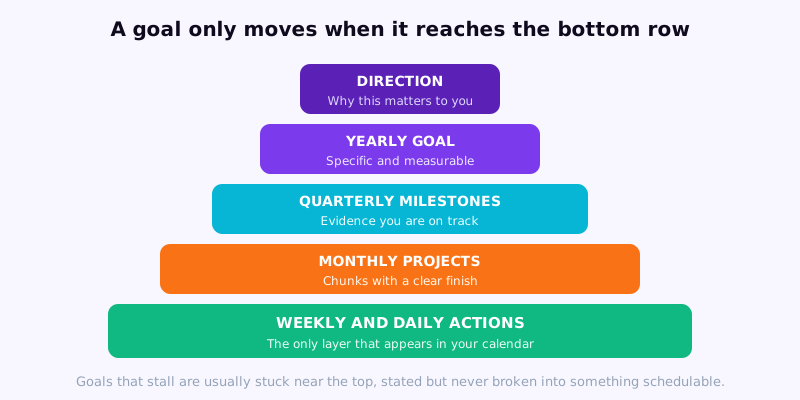
Life Vision and Core Values
Start with the big picture before setting specific goals:
- Life vision: Your overall direction and desired future state
- Core values: Fundamental principles that guide your decisions
- Life areas: Major domains like health, career, finances, learning, and wellbeing
- Theme identification: What do you want this year/season to be about?
Three Levels of Goals
Level 1: Long-term Vision Goals (3-10 years)
- Major life achievements and milestones
- Career aspirations and financial targets
- Family and support goals
- Health and lifestyle visions
- Legacy and contribution objectives
Level 2: Medium-term Project Goals (3 months - 2 years)
- Specific projects that advance long-term visions
- Skill development and learning objectives
- Health and fitness milestones
- Career advancement steps
- Social connection goals
Level 3: Short-term Action Goals (Daily - 3 months)
- Weekly and monthly targets
- Habit formation goals
- Specific tasks and deadlines
- Daily and weekly routines
- Immediate next steps
Strategic Goal-Setting Process
Step 1: Values and Vision Clarification
Before setting specific goals, invest time in self-reflection:
- List your top 5-7 core values and what they mean to you
- Write a vivid description of your ideal life in 5-10 years
- Identify the gap between your current reality and your vision
- Consider what you would regret not pursuing if you knew you couldn't fail
- Reflect on times you felt most fulfilled and energized
Step 2: Life Area Assessment
Evaluate your current state in key life domains:
- Life balance: Health habits, social connections, and personal time
- Social connections: Family, friends, and community
- Career and finances: Professional growth, income, savings, investments
- Personal development: Learning, skills, creativity, spirituality
- Recreation and fun: Hobbies, travel, entertainment, adventure
- Contribution: Service, volunteering, making a difference
Step 3: Goal Selection and Prioritization
Choose goals strategically rather than overwhelming yourself:
- Limit yourself to 3-7 major goals at any time
- Ensure goals span different life areas for balance
- Consider the interconnectedness of goals (how they support each other)
- Prioritize based on urgency, importance, and excitement
- Choose a mix of stretch goals and achievable wins
Implementation Strategies
Breaking Goals into Action Plans
Transform goals into concrete, manageable steps:
- Reverse engineering: Work backward from your goal to identify necessary steps
- Next action identification: Always know your immediate next step
- Timeline creation: Assign realistic deadlines to each phase
- Resource assessment: Identify what you need (time, money, skills, support)
- Obstacle anticipation: Plan for likely challenges and setbacks
The Power of Systems and Habits
Focus on creating systems that naturally lead to goal achievement:
- Process goals vs. outcome goals: "Exercise 4 times per week" vs. "Lose 20 pounds"
- Habit stacking: Link new behaviors to existing routines
- Environment design: Make good choices easier and bad choices harder
- Identity-based goals: Focus on who you want to become, not just what you want to achieve
- Minimum viable habits: Start with the smallest possible version of your desired behavior
Tracking and Monitoring Progress
Regular monitoring keeps goals alive and allows for course correction:
- Weekly reviews: Assess progress and plan the upcoming week
- Monthly evaluations: Review metrics and adjust strategies
- Quarterly assessments: Major goal review and potential pivots
- Visual tracking: Charts, graphs, or apps that show progress
- Accountability systems: Partners, coaches, or groups for support
Overcoming Common Obstacles
Dealing with Setbacks and Failures
Resilience is crucial for long-term goal achievement:
- Reframe setbacks: View them as learning opportunities, not failures
- Analyze what went wrong: Was it the goal, the plan, or the execution?
- Adjust without abandoning: Modify your approach rather than giving up
- Focus on progress, not perfection: Celebrate small wins and incremental improvement
- Get back on track quickly: Don't let temporary setbacks become permanent detours
Maintaining Motivation Over Time
- Connect to your "why": Regularly revisit the deeper reasons behind your goals
- Visualize success: Imagine the feelings and benefits of achievement
- Find your accountability: Share goals with supportive friends or mentors
- Celebrate milestones: Acknowledge progress with meaningful rewards
- Adjust goals as needed: It's okay to modify goals as circumstances change
Managing Goal Overwhelm
When goals feel overwhelming, step back and reassess:
- Reduce the number of active goals you're pursuing
- Break large goals into smaller, more manageable pieces
- Focus on one area of life at a time if necessary
- Extend timelines if they're unrealistic
- Seek support from others who have achieved similar goals
Advanced Goal-Setting Techniques
The 90-Day Goal Sprint
Intensive focus for rapid progress:
- Choose one major goal for intensive 90-day focus
- Break it into three 30-day phases
- Plan weekly actions and daily habits
- Conduct weekly reviews and adjustments
- Minimize other commitments during this period
Stretch vs. Comfort Zone Goals
Balance challenge with achievability:
- Comfort zone goals (70%): Achievable with current skills and resources
- Stretch goals (25%): Require growth and pushing beyond current limits
- Moonshot goals (5%): Wildly ambitious goals that inspire breakthrough thinking
Goal Stacking and Synergy
Choose goals that reinforce each other:
- Fitness goals that improve energy for work goals
- Learning goals that advance career objectives
- Relationship goals that provide support for other aspirations
- Financial goals that enable lifestyle or contribution goals
- Health goals that increase capacity for all other pursuits
Technology and Tools for Goal Success
Digital Goal-Tracking Apps
- Comprehensive planning: Notion, Asana, Monday.com
- Habit tracking: Habitica, Streaks, Way of Life
- Project management: Trello, Todoist, Any.do
- Time tracking: RescueTime, Toggl, Clockify
- Accountability: Coach.me, Stickk, GoalsOnTrack
Analog Tools and Methods
- Physical goal journal or planner
- Vision boards with images and affirmations
- Wall calendars for deadline visualization
- Index card systems for daily focus
- Whiteboard for ongoing project tracking
Creating Your Goal Achievement System
Effective goal setting isn't just about choosing the right objectives—it's about creating a comprehensive system that supports consistent progress toward your most important aspirations. This system includes your values clarification process, goal selection criteria, action planning methodology, tracking systems, review rhythms, and support structures.
Start by developing your personal goal-setting ritual. This might be an annual retreat where you reflect on the past year and plan the next, quarterly planning sessions, monthly reviews, and weekly check-ins. The key is creating a rhythm that keeps your goals alive and dynamic rather than static resolutions that quickly lose their power.
Remember that goal setting is ultimately about becoming the person you want to be, not just achieving specific outcomes. Focus on goals that align with your values, excite your imagination, and contribute to your overall sense of purpose and fulfillment. When your goals are authentic expressions of your deepest aspirations, you'll find the motivation and persistence needed to turn your dreams into reality.
The journey of goal achievement is as valuable as the destination. Embrace the growth, learning, and self-discovery that come with pursuing meaningful objectives. Each goal you pursue—whether you achieve it exactly as planned or not—builds your capacity for future success and deepens your understanding of what truly matters to you.
Frequently Asked Questions
How many goals should you set at once?
Most goal-setting experts recommend focusing on 1–3 major goals at a time. Spreading your attention across too many goals dilutes your effort and increases the likelihood of achieving none of them. Choose goals that are genuinely important to you right now, and give them your real attention before taking on more.
What is the SMART goal method?
SMART stands for Specific, Measurable, Achievable, Relevant, and Time-bound. A SMART goal isn't "get fit" — it's "go to the gym 3 times a week for the next 8 weeks." The specificity gives you clarity, the measurability tells you when you've succeeded, and the deadline creates urgency. It's one of the most widely used and effective frameworks for turning vague intentions into concrete plans.
How do you stay motivated toward long-term goals?
Long-term motivation comes from connecting daily actions to a meaningful "why." Break big goals into smaller milestones and celebrate each one. Review your goals weekly to stay connected to your intention. It also helps to track your progress visibly — seeing how far you've come fuels momentum more than thinking about how far you have left to go.
What should you do when you fail a goal?
Treat it as data, not failure. Ask: Was the goal realistic? Did I have a clear plan? What got in the way? Most "failures" reveal something important — about your schedule, your priorities, or what you actually want. Adjust the goal, adjust the approach, or reaffirm your commitment and restart. Missing a goal is only final if you stop trying.
What is the best way to track goals?
The best method is one you'll actually use. Options include a dedicated journal, a habit tracker app (like Streaks or Habitica), a simple spreadsheet, or sticky notes on your wall. Weekly reviews — where you check your progress and plan next steps — matter more than the tracking tool itself. Build a short review ritual into your week.