Home Organization Tips That Actually Last
Transform your space into a peaceful, functional sanctuary

Key Takeaways
- Organisation follows reduction. Fewer items make any storage system easier to maintain.
- A staged plan beats a single weekend push. Steady sessions are more likely to finish.
- Storage should match how you actually live. Systems fail when they demand more effort than the habit they replace.
- One-in-one-out keeps gains. A simple limit stops slow re-accumulation.
Your Space Shapes Your Life
An organized home isn't just about aesthetics—it's about creating a space that supports your well-being, productivity, and peace of mind. Clutter creates mental chaos, while organized spaces promote clarity and calm. This comprehensive guide will help you declutter systematically and create sustainable organization systems that work for your lifestyle.
The Psychology of Clutter
Understanding why we accumulate clutter is the first step to creating lasting change:
Mental Impact of Clutter
Clutter can directly affect your mental state:
- Contributes to feelings of stress and tension
- Reduces ability to focus and process information
- Creates decision fatigue from constant visual stimuli
- Triggers feelings of overwhelm and anxiety
- Impacts sleep quality and relaxation
Emotional Attachment to Objects
Common reasons we hold onto items we don't need:
- Sentimental value: "This reminds me of..."
- Guilt: "This was expensive" or "It was a gift"
- Fear: "I might need this someday"
- Identity: "This represents who I used to be"
- Overwhelm: "I don't know where to start"
The 30-Day Decluttering System
A systematic approach that makes decluttering manageable and sustainable:
Week 1: Easy Wins (Build Momentum)
Start with items that are clearly trash or obviously unused to build confidence and momentum.
Day-by-Day Focus:
Week 2: Moderate Decisions
Tackle items that require more thought but still have clear answers.
The "Joy Test" Questions:
- Does this item bring me joy or serve a clear purpose?
- Have I used this in the past year?
- If I saw this in a store today, would I buy it?
- Does this fit my current lifestyle and goals?
Week 3: Difficult Decisions
Address sentimental items and things with emotional attachments.
Strategies for Sentimental Items:
- Photo method: Take a picture of the item to preserve the memory
- One special box: Keep only what fits in one designated memory box
- Repurpose: Turn meaningful items into functional pieces
- Share stories: Give items to family members who will treasure them
Week 4: Create Systems
Organize what remains and create sustainable maintenance systems.
The Four-Box Method
Use this simple categorization system for every decluttering session:
Keep Box
Items you use regularly or genuinely love
- Used within the last 12 months
- Serves a specific, current purpose
- Brings genuine joy or value to your life
- Fits your current lifestyle and goals
Donate Box
Items in good condition that others could use
- Clothes that don't fit but are still nice
- Books, toys, or games in good condition
- Kitchen items or appliances that work
- Home decor that's no longer your style
Trash Box
Items that are broken, damaged, or expired
- Broken or damaged items beyond repair
- Expired food, medicine, or cosmetics
- Worn-out clothing or shoes
- Old electronics that don't work
Maybe Box
Items you're unsure about (store for 6 months)
- Label box with today's date
- Store in garage, attic, or closet
- If you don't retrieve anything in 6 months
- Donate the entire box without looking inside
Room-by-Room Organization Strategies
Tailored approaches for different areas of your home:
Functional Food Zone
- Countertops: Keep only daily-use items visible
- Cabinets: Group similar items together, use clear containers
- Pantry: First in, first out system, label everything
- Refrigerator: Designate zones for different food types
- Drawers: Use dividers for utensils and tools
Peaceful Sleep Sanctuary
- Closet: Organize by category, season, or color
- Dresser: Fold clothes uniformly, use drawer dividers
- Nightstand: Keep only essentials (lamp, book, water)
- Under bed: Use for seasonal items only, not daily clutter
- Surfaces: Clear all flat surfaces before bed each night
Relaxation and Entertainment Hub
- Coffee table: Use trays to contain remotes and essentials
- Storage: Closed storage for games, books, and media
- Cables: Use cord organizers and hide wires
- Decorations: Follow the "rule of three" for styling
- Flow: Maintain clear pathways through the space
Efficient Daily Routines
- Medicine cabinet: Check expiration dates quarterly
- Shower: Use caddies or built-in shelves for products
- Vanity: Store daily items in easy-reach drawers
- Towels: Fold uniformly and store in designated spots
- Cleaning: Keep supplies under sink in organized caddy
Smart Storage Solutions
Maximize your space with strategic storage that makes sense for your lifestyle:
Vertical Space
Use wall-mounted shelves, hooks, and tall storage units to maximize floor space.
Visible Storage
Use clear containers and open shelving for items you access frequently.
Multi-Purpose Furniture
Choose ottomans with storage, beds with drawers, and tables with shelves.
Zone-Based Organization
Group similar items together and store them where they're used most often.
Kitchen Zones Example:
- Prep Zone: Knives, cutting boards, mixing bowls near counter space
- Cooking Zone: Pots, pans, utensils near stove
- Cleaning Zone: Dish soap, towels, sponges near sink
- Storage Zone: Food items in pantry or cabinets
Container Strategy
Choose the right storage containers for different types of items.
Container Types and Uses:
Digital Decluttering
Don't forget about digital clutter—it affects your mental clarity just like physical clutter:
Phone Organization
Streamline your digital devices for better focus and productivity.
Phone Declutter Checklist:
- Delete unused apps (if you haven't used it in 3 months)
- Organize remaining apps into logical folders
- Clear out old photos and videos
- Unsubscribe from unnecessary notifications
- Clean up contacts and delete old text conversations
Computer Organization
Create a logical file structure that makes finding documents easy.
Suggested Folder Structure:
- Work: Projects, Reports, Presentations
- Personal: Finance, Health, Hobbies
- Archive: Old files you might need someday
- Action: Items that need immediate attention
Email Management
Achieve and maintain inbox zero for reduced digital stress.
Maintenance Systems
Keep your organized space clutter-free with these daily and weekly habits:
Daily Maintenance (10 minutes):
Deeper Maintenance (30 minutes)
Return items to their proper homes, do a quick declutter pass, and prepare for the upcoming week.
System Review
Assess what's working and what isn't. Adjust organization systems as needed and do a more thorough declutter session.
Major Reset
Rotate seasonal items, reassess belongings, and do any major reorganization projects.
The One-In-One-Out Rule
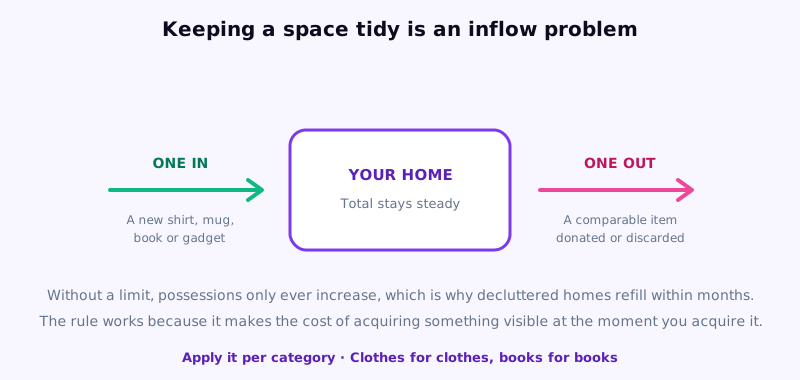
Prevent future clutter accumulation with this simple guideline:
Before Making Purchases, Ask:
- Do I have something similar that serves this purpose?
- Where will this item live in my organized space?
- Am I buying this for my current life or an imaginary future?
- Will this add value to my daily life?
- What will I remove to make space for this?
Frequently Asked Questions
What is the difference between organizing and decluttering?
Decluttering is the process of removing items you no longer need, use, or love — reducing the total volume of your possessions. Organizing is arranging and storing the items that remain in a logical, accessible way. The critical order is declutter first, then organize. Organizing without decluttering just means neatly storing things you don't need, which creates systems that quickly break down.
How do I maintain an organized home long-term?
The key is building habits, not relying on willpower. Give every single item a designated home and always return things there after use. Do a 10-minute reset each evening. Follow the one-in, one-out rule when bringing new items into the home. Schedule brief weekly tidying sessions and a more thorough monthly review. Maintenance is far easier than repeatedly starting from scratch.
Which organizing products are actually worth buying?
The best organizing products solve a specific, real problem in your home. Drawer dividers, turntables (lazy susans), clear labelled containers, shelf risers, and over-door organizers consistently deliver the most value. Avoid buying organizers before you've decluttered — you may end up with containers for items you later discard. Measure your spaces before purchasing storage, and always buy less than you think you need.
How do you keep a home organized when you have kids?
Create simple, child-friendly systems: use open bins instead of lids, keep toy storage at child height, and limit the total number of toys in rotation (store the rest and rotate seasonally). Involve children in tidying by making it a brief daily routine rather than a big event. Clear labels with pictures help young children maintain systems independently. Accept that perfection is not the goal — functionality is.
Is it better to organize the whole house at once or one room at a time?
For most people, one room at a time is far more effective. Tackling the whole house simultaneously creates overwhelm, unfinished zones, and displaced items everywhere. Choose the room that causes you the most daily frustration (often the kitchen, bedroom, or entryway) and complete it fully before moving on. Finishing one space builds confidence and gives you a functioning model for other rooms.
Transform Your Space, Transform Your Life
Start with just one small area today. Remember, organization is not about perfection—it's about creating a space that supports your well-being and helps you live your best life!