Indian Cooking for Beginners: Start Here
Master the fundamentals of Indian cooking and bring bold flavour to your kitchen

Indian cuisine is one of the world's most diverse and flavourful food traditions, built on a foundation of aromatic spices, layered techniques, and centuries of regional variation. Despite its reputation for complexity, the fundamentals of Indian cooking are very learnable — once you understand how the spices work together and master a few key techniques, a whole world of incredible food opens up in your own kitchen.
Key Takeaways
- A small spice rack is enough to start. A handful of core spices covers most everyday dishes.
- Technique carries more weight than recipe count. Tempering, sautéing aromatics and layering spices shape the result.
- Tadka is the flavour trigger. Blooming spices in hot fat releases aroma that raw spice cannot.
- Learn a few dishes properly first. Repetition builds judgement faster than collecting recipes.
Building Your Spice Rack
You do not need thirty spices to cook Indian food well. The essentials are fewer than most people expect, and once you have them, hundreds of dishes become possible. Start with cumin (jeera) — warm and earthy, used whole in tempering or ground into spice blends and the base of almost every North Indian dish. Add coriander (dhania), which is slightly citrusy and used ground in virtually all curries. Turmeric (haldi) goes into nearly everything in small quantities: it adds colour, earthiness, and that faintly medicinal warmth that characterises Indian cooking. Chilli powder or fresh green chillies provide the heat — and crucially, you control how much you use, so the dish can be as mild or as fiery as you prefer.
Garam masala — a warming blend of cinnamon, cardamom, cloves, and black pepper — is the finishing spice, stirred in at the end of cooking rather than the beginning, because heat destroys its more volatile aromas. For South Indian cooking, add mustard seeds and fresh curry leaves: mustard seeds popped in hot oil develop a nutty, slightly bitter depth, and curry leaves release an aroma that is genuinely difficult to describe but instantly recognisable as South Indian. Buy these fresh if you can find them, or frozen — dried curry leaves lose most of their flavour. With these seven, you can cook a very wide range of authentic dishes.
The Core Techniques
Indian cooking rests on a small number of techniques that appear, in some variation, across nearly every dish. The most important is tempering — known as tadka in Hindi — which means blooming whole spices in hot oil or ghee before anything else goes into the pan. The heat extracts fat-soluble aromatic compounds from the spices that would not release in water-based cooking, creating an intensely flavoured base that infuses everything added after it. This technique is explained in detail below, but understanding that it exists and why it matters is the first step.
The onion base is the second pillar of North Indian cooking. Raw onions fried slowly until they turn golden-brown and slightly sweet — not pale and soft, but genuinely caramelised — form the flavour foundation of most gravies. This takes 15 to 20 minutes on medium heat and cannot be rushed without losing the depth. Tomatoes go in next and cook down until the oil separates from the mixture, which is the visual signal that the masala is properly cooked and the raw tomato taste has gone. These two steps together — patient onion caramelisation and a fully cooked masala — account for most of the difference between Indian food that tastes authentic and Indian food that tastes flat.
Five Dishes to Learn First
Tarka dal is the best starting point for any beginner. Red or yellow lentils are simmered until soft, then finished with a tempering of cumin, garlic, dried chilli, and sometimes tomato poured over the top — the sizzle when the hot oil hits the cooked dal is one of the most satisfying sounds in the kitchen. Dal is forgiving: the lentils cook reliably, the tempering is quick, and the result is deeply satisfying. It teaches tempering, seasoning, and the rhythm of Indian cooking without the pressure of a complex dish.
From there, aloo sabzi — a dry potato fry with cumin, turmeric, and coriander — teaches how to cook without a gravy, which is a different skill and a very useful one. Tomato rice (a South Indian one-pan dish with curry leaves and mustard seeds) demonstrates how a few spices can transform plain rice into a complete meal in 20 minutes. Palak paneer introduces the technique of making a smooth spiced sauce, and rajma — the North Indian kidney bean curry — shows how legumes cook into a rich, deeply flavoured dish that gets better the day after it's made. These five cover the major techniques and give a solid foundation to cook from.
Practical Tips for Cooking at Home
The most important signal to learn in Indian cooking is oil separation. When a masala — the cooked-down mixture of onions, tomatoes, and spices — is properly done, you will see the oil separate from the mixture around the edges of the pan. This is not a sign that something has gone wrong; it is the sign that the base is ready and you can add the next ingredient. If you add vegetables or protein before this point, the masala will taste raw and the dish will not have the depth you are looking for. Patience here pays off in every dish.
Garam masala goes in at the very end — stirred in off the heat or just before serving — because prolonged cooking destroys its aromatic compounds and leaves only a slightly bitter residue. Fresh herbs added at the table make a visible and noticeable difference: cilantro, fresh curry leaves, or a squeeze of lime all brighten a finished dish in a way that no amount of cooking can replicate. Indian cooking is also inherently adjustable at every stage, so tasting as you go and correcting seasoning towards the end rather than at the beginning is both practical and how most home cooks actually work.
Mastering Tempering (Tadka): The Flavour Trigger
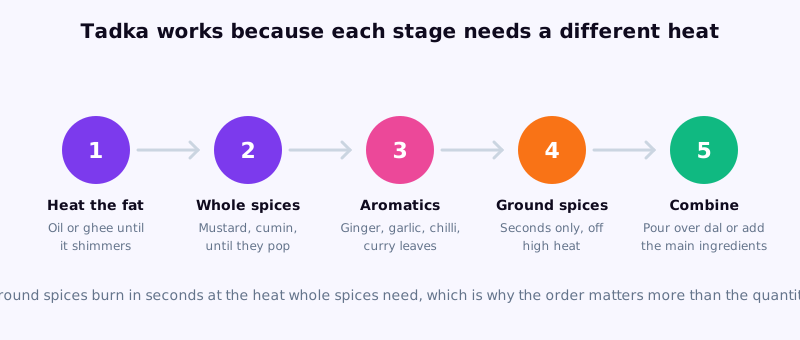
Tempering — known as tadka in Hindi or chaunk in Punjabi — is the technique of blooming whole spices and aromatics in hot oil or ghee to extract their fat-soluble flavour compounds before they touch anything else in the dish. It is one of the most transformative skills in Indian cooking, and it takes just a couple of minutes to execute. Done correctly, it creates an intensely aromatic foundation that infuses the entire dish.
- Use medium-high heat: The oil must be genuinely hot before spices go in — test with a single mustard seed; if it sizzles and pops immediately, the oil is ready.
- Sequence matters: Add whole spices first (mustard seeds, cumin, dried chillies), then softer aromatics (curry leaves, onion, garlic, ginger) — they have different bloom times.
- Listen and smell: Mustard seeds pop, cumin turns a shade darker and smells nutty — trust your senses rather than a timer.
- Don't walk away: Tempering takes 30–90 seconds; spices go from perfectly bloomed to burnt in moments, so stay at the pan.
- Finishing tadka: On dishes like dal, a second tadka is poured on top just before serving — this is a signature move that adds freshness and aroma to the finished dish.
Common Beginner Mistakes to Avoid
Indian cooking has a learning curve, but most beginner frustrations come from a handful of easily corrected habits. Understanding what often goes wrong helps you avoid it and accelerates the path from uncertain novice to confident home cook. Most mistakes boil down to rushing — Indian cooking rewards patience at every stage.
- Adding spices to cold oil: Spices need heat to release their aromatics — always heat the oil first, otherwise the dish will taste raw and flat.
- Under-cooking the onions: A pale, softened onion is not the same as a properly caramelised one. Give it 15–20 minutes on medium heat for a rich, sweet, deep base.
- Not cooking out the masala: The tomato-spice base needs time to cook down until oil separates from the mixture. Rushing this step leaves a raw, grainy taste in the curry.
- Over-spicing from the start: It is easier to add more spice than to remove it. Start conservatively, taste as you go, and adjust towards the end of cooking.
- Skipping the resting time: Like most dishes, Indian curries taste better 10–20 minutes after cooking as the flavours meld. When possible, cook slightly ahead of serving.
Frequently Asked Questions
Is Indian cooking hard to learn for beginners?
Indian cooking has a reputation for being complex, but it's very learnable once you understand the logic behind it. Most dishes follow a similar pattern — temper spices, build an onion-tomato base, add protein or vegetables, finish with garam masala. Master the pattern and you can cook dozens of dishes confidently.
What are the most important Indian cooking techniques to learn first?
The two techniques that unlock the most dishes are tempering (tadka) and building the masala base. Tempering whole spices in hot oil or ghee is used in almost every Indian recipe. Building and cooking down the onion-tomato-spice base is the foundation of all North Indian curries and many South Indian dishes too.
Can you make Indian food without a lot of spices?
Yes. Many simple Indian dishes use just three or four spices — turmeric, cumin, coriander, and salt — and still taste incredible. You don't need a 20-spice collection to start. Build your spice rack gradually, starting with the essentials listed in this guide, and add more as you grow comfortable.
How do you make Indian food less spicy?
Spice heat in Indian cooking comes primarily from chilli powder and fresh chillies, both of which you control completely. Simply use less, or leave them out entirely — the dish will still be full of flavour from the other spices. Dairy (yoghurt, cream, or milk) added during cooking also mellows heat effectively if you've overdone it.
What are the best basic Indian dishes to learn first?
Start with tarka dal (spiced lentils) — it's forgiving, nutritious, and uses core techniques. Then try aloo sabzi (dry potato curry), which teaches tempering without a gravy to worry about. From there, move to a simple tomato-based curry like rajma or chana masala. These four dishes will give you a solid, practical foundation.
Indian cooking is a journey, not a destination. Each region has its own traditions, techniques, and signature flavours, and there is always something new to explore. Start with the spice basics, master tarka dal, and work outward from there. Within a few months of regular cooking, you'll develop an intuitive feel for how spices work together — and the ability to improvise confidently with what's in your pantry.