Best Indoor Plants for Beginners and Their Care Needs
Choose, care for, and style indoor plants to bring life into any room

Indoor plants add colour, texture, and a living element to a room. They can make a space feel more cared for, and looking after them can become a pleasant routine. Their practical value depends on the plant, the room, and the care it receives; they should complement ventilation and cleaning rather than replace either one.
Key Takeaways
- Light is the deciding factor. Choose plants for the light a room actually receives, not the look you want.
- Overwatering causes more losses than neglect. Check the soil rather than following a fixed schedule.
- Match the plant to the room. Humidity and temperature vary widely between bathrooms, kitchens and bedrooms.
- Propagation expands a collection cheaply. Cuttings from healthy plants cost nothing.
The Science Behind Plant Benefits
Air Quality Improvement
- Daylight use: Plants use light for photosynthesis, so their growth depends on the room's available light.
- Modest air-quality evidence: Some laboratory studies found plants could absorb substances under controlled conditions, but a few houseplants should not be treated as an air purifier.
- Humidity: Plants release some moisture, but the effect in a typical room varies with plant size, number, ventilation, and climate.
- Clean leaves: Wiping leaves can keep the plant looking healthy; it is not a substitute for regular dusting or ventilation.
- Practical priority: For indoor air, control pollution sources and ventilate appropriately before adding plants.
Mental Health Benefits
- Calmer atmosphere: Greenery may make a room feel more comfortable or restorative, but responses differ between people.
- Enjoyable routine: Watering and checking a plant can add a small, satisfying break to the day.
- Visual interest: Natural shapes and colour can make a workspace or living area feel less stark.
- Personal response: Choose plants because you enjoy their appearance and care routine, not as a guaranteed treatment for stress, anxiety, or sleep.
Physical Health Benefits
- Comfort: A well-cared-for plant can contribute to a pleasant room, but it does not treat illness or replace medical care.
- Moisture caution: Do not add many plants to solve dry air; excess moisture can encourage damp or mould.
- Allergies and pets: Check the species, soil, pollen, and any toxicity concerns before bringing a plant home.
- Healthy basics: Keep rooms ventilated, avoid standing water, and remove mouldy soil or dying leaves promptly.
Choosing the Right Plants for Your Space
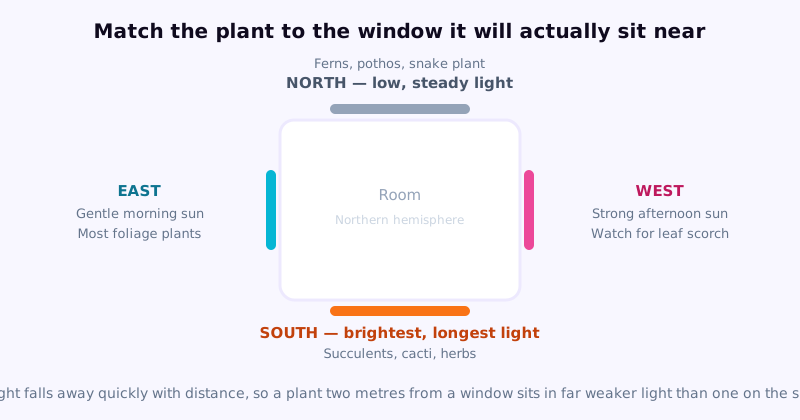
Assessing Your Environment
- Light conditions: Bright, medium, or low light areas
- Humidity levels: Dry or naturally humid spaces
- Temperature consistency: Stable vs. fluctuating temperatures
- Available space: Floor plants, shelves, hanging options
- Time commitment: High-maintenance vs. low-care options
- Pet safety: Non-toxic varieties if you have animals
Best Plants for Beginners
- Pothos: Tolerates low light, infrequent watering
- Snake Plant: Thrives on neglect, tolerates low light
- ZZ Plant: Extremely drought-tolerant, low light
- Spider Plant: Easy propagation, adaptable
- Rubber Tree: Glossy leaves, forgiving care
- Peace Lily: Tells you when it needs water
- Aloe Vera: Medicinal benefits, minimal care
Plants by Room and Purpose
Living Room Plants
- Fiddle Leaf Fig: Statement tree for bright corners
- Monstera Deliciosa: Dramatic split leaves
- Bird of Paradise: Tropical feel, bright light
- Dracaena varieties: Tall, architectural forms
- Philodendron: Trailing or climbing options
Bedroom Plants
- Snake Plant: Releases oxygen at night
- Aloe Vera: Night-time oxygen production
- Lavender: Pleasant fragrance for people who enjoy it; keep expectations modest and consider allergies.
- Jasmine: Fragrant flowers that may suit a bright room; fragrance preferences and sensitivity vary.
- English Ivy: Attractive trailing plant, but do not rely on it to control airborne mould.
Kitchen Plants
- Herbs: Basil, mint, rosemary for cooking
- Pothos: Tolerates kitchen humidity
- Spider Plant: Handles temperature changes
- Bamboo: Thrives in water, good luck symbol
Bathroom Plants
- Boston Fern: Loves humidity
- Orchids: Tropical plants thrive in steam
- ZZ Plant: Tolerates low light, high humidity
- Air Plants: No soil needed, absorb moisture
Office/Study Plants
- Peace Lily: Attractive foliage for a bright, indirect-light space; keep it away from pets that may chew it.
- Rubber Plant: Professional appearance
- Succulents: Low maintenance for busy schedules
- Bamboo Palm: Natural humidifier
Plant Care Fundamentals
Watering Wisdom
- Check soil moisture: Stick finger 1-2 inches into soil
- Water thoroughly: Until water drains from bottom
- Avoid overwatering: Most common cause of plant death
- Use room temperature water: Avoid shocking plant roots
- Consider water quality: Let tap water sit 24 hours or use filtered
- Seasonal adjustments: Less water in winter, more in growing season
Light Requirements
- Bright, direct light: South-facing windows, 6+ hours sun
- Bright, indirect light: Near but not in direct sun
- Medium light: East or west windows, some direct morning/evening sun
- Low light: North windows or away from windows
- Artificial light: Grow lights can supplement natural light
Soil and Fertilizing
- Well-draining soil: Most houseplants prefer good drainage
- Repotting timing: Every 1-2 years or when rootbound
- Fertilizer schedule: Growing season (spring/summer) monthly
- Organic options: Compost, worm castings, fish emulsion
- Less is more: Over-fertilizing can harm plants
Plants Known for Indoor Air Quality
NASA's Top Air-Cleaning Plants
- Peace Lily: Removes ammonia, benzene, formaldehyde
- Rubber Plant: Eliminates formaldehyde from air
- Snake Plant: Filters benzene, xylene, trichloroethylene
- Aloe Vera: Removes formaldehyde and benzene
- Spider Plant: Fights formaldehyde and xylene
- Boston Fern: Excellent formaldehyde remover
- Bamboo Palm: Removes formaldehyde, benzene, carbon monoxide
How Many Plants Do You Need?
- General rule: 1-2 plants per 100 square feet
- For air quality benefit: Larger, leafy plants tend to be more effective
- Personal preference: Start with a few, add gradually
- Room size matters: Bigger rooms need more plants for noticeable effect
Styling Your Plant Collection
Design Principles
- Vary heights: Create visual interest with different plant sizes
- Group in odd numbers: Clusters of 3 or 5 look most natural
- Consider scale: Match plant size to room and furniture scale
- Color coordination: Choose planters that complement your decor
- Texture contrast: Mix smooth and textured leaves
Creative Display Ideas
- Hanging gardens: Macrame holders, ceiling hooks
- Plant shelves: Floating shelves for small plants
- Floor groupings: Corner arrangements with tall plants
- Window sills: Maximize natural light exposure
- Plant stands: Elevate plants to different levels
- Bathroom oasis: Create spa-like atmosphere
Container and Planter Options
- Terra cotta: Classic, breathable, good drainage
- Ceramic glazed: Decorative, retains moisture longer
- Plastic: Lightweight, good for hanging plants
- Woven baskets: Natural texture, use with liner
- Modern concrete: Industrial look, very durable
- Vintage finds: Repurpose unique containers
Troubleshooting Common Problems
Yellow Leaves
- Overwatering: Most common cause, check soil moisture
- Natural aging: Lower leaves naturally yellow and drop
- Nutrient deficiency: May need fertilizer during growing season
- Light issues: Too much direct sun or insufficient light
Brown Leaf Tips
- Low humidity: Increase moisture around plant
- Water quality: Use filtered or distilled water
- Over-fertilizing: Reduce or stop fertilizer temporarily
- Inconsistent watering: Maintain more regular schedule
Pest Management
- Spider mites: Increase humidity, wipe leaves
- Aphids: Insecticidal soap or neem oil
- Fungus gnats: Reduce watering, use sticky traps
- Scale insects: Alcohol on cotton swab for removal
- Prevention: Quarantine new plants, inspect regularly
Propagating Your Plants
Easy Plants to Propagate
- Pothos: Root cuttings in water
- Spider Plant: Plant the babies that grow naturally
- Rubber Plant: Air layering or stem cuttings
- Succulents: Leaf propagation or division
- Snake Plant: Leaf cuttings or division
Propagation Methods
- Water propagation: Root cuttings in water first
- Soil propagation: Plant cuttings directly in soil
- Division: Separate plants with multiple growth points
- Offsets: Remove and plant baby plants
- Leaf propagation: Grow new plants from individual leaves
Seasonal Plant Care
Spring Care
- Repotting time: Refresh soil and containers
- Increase watering: Plants enter growing season
- Begin fertilizing: Resume feeding after winter rest
- Pruning: Remove dead growth, shape plants
- Propagation season: Best time for making new plants
Summer Care
- More frequent watering: Higher temperatures increase needs
- Protect from heat: Move away from hot windows
- Increase humidity: Air conditioning can dry air
- Regular feeding: Peak growing season
- Outdoor vacation: Some plants benefit from outdoor time
Fall and Winter Care
- Reduce watering: Plants slow growth, need less water
- Stop fertilizing: Allow plants to rest
- Increase humidity: Heating systems dry indoor air
- Provide extra light: Shorter days may require grow lights
- Avoid repotting: Let plants rest during dormant season
Budget-Friendly Plant Tips
Affordable Plant Sources
- Plant swaps: Trade with friends and neighbors
- Propagation: Grow your collection from cuttings
- Grocery stores: Often have basic houseplants
- Online retailers: Sometimes better prices than nurseries
- End-of-season sales: Nurseries clear inventory
DIY Plant Care
- Self-watering system: Vacation watering with string
- Humidity trays: Pebbles and water under pots
- Homemade plant food: Compost tea or diluted liquid fertilizer
- Repurposed containers: Creative planters from household items
Advanced Plant Parenting
Creating Plant Microclimates
- Humidity groupings: Group plants to increase local humidity
- Light optimization: Use mirrors to reflect light
- Temperature zones: Utilize different room temperatures
- Air circulation: Gentle fans prevent stagnant air
Specialty Plant Collections
- Succulents and cacti: Low-water desert plants
- Tropical plants: High-humidity, warm-loving varieties
- Air plants: No soil needed, mounted displays
- Carnivorous plants: Unique, insect-eating varieties
- Bonsai trees: Miniature tree art
Frequently Asked Questions
Which indoor plant is the absolute easiest to keep alive?
The pothos (Epipremnum aureum) is widely considered the most forgiving houseplant for beginners. It tolerates low light, infrequent watering, drought, neglect, and a wide range of temperatures. It visually tells you when it needs water (leaves droop slightly), bounces back quickly after neglect, and grows vigorously in most conditions. Snake plants (Sansevieria) are a close second — they actually prefer to be ignored and can survive weeks without water.
How often should you water indoor plants?
There's no universal answer — it depends on the plant, pot size, season, humidity, and light. The best approach is to check the soil rather than follow a rigid schedule. Stick your finger an inch into the soil: if it feels dry, most plants need water; if it's still moist, wait. Overwatering (root rot from soggy soil) kills far more indoor plants than underwatering. Most beginners should water less often than they think is necessary.
What are the best indoor plants for rooms with no sunlight?
For truly low-light conditions, choose snake plants, ZZ plants (Zamioculcas zamiifolia), pothos, peace lilies, or cast iron plants. These can survive in north-facing rooms or interior spaces without windows, though all plants do better with some indirect light. No plant can survive in complete darkness indefinitely — if your room has zero natural light, consider a small grow light to supplement a few hours per day.
Do indoor plants actually improve air quality?
Any air-quality effect is likely to be modest in typical home conditions. The NASA Clean Air Study examined plants in controlled lab conditions, so its results should not be treated as a substitute for ventilation, source control, or an air purifier where one is needed. Plants may add visual interest and a caring routine, but how they affect mood or stress varies from person to person.
How do I know if my indoor plant is dying?
Common warning signs include: yellowing leaves (usually overwatering or root rot), brown crispy leaf tips (underwatering or low humidity), mushy stems at the base (root rot from overwatering), leggy stretched growth reaching toward light (insufficient light), and leaf drop. Check the soil moisture and roots first — if roots are black, mushy, and smelly, root rot has set in. Trim affected roots, repot in fresh dry soil, and reduce watering frequency going forward.
Indoor plants offer an accessible way to improve your home environment and wellbeing. Start small with one or two easy-care plants, learn their needs, and gradually expand your collection. Remember that plant care is a journey—every plant parent kills a few plants while learning. The key is to observe your plants, adjust care as needed, and enjoy the process of nurturing these living companions. With time and patience, you'll develop a green thumb and create a more beautiful, healthy, and peaceful home environment.