Complete Guide to Indian Spices: Flavors and How to Use Them
A beginner's guide to using spices and herbs to elevate every dish you cook

Spices are the difference between food that's merely nutritious and food that's genuinely delicious. Yet for many home cooks, the spice rack remains a source of uncertainty — which ones go together, how much to use, when to add them. This guide demystifies spices so you can season with confidence, build complex flavours, and transform simple ingredients into dishes with real depth and character.
Key Takeaways
- When you add a spice changes its effect. Early additions build a base; late additions keep aroma bright.
- Whole spices keep potency longer. Grinding as needed gives noticeably stronger flavour.
- Storage protects what you paid for. Heat, light and air dull spices faster than age alone.
- Balance beats quantity. Acid, salt and fat often fix a dish faster than adding more spice.
Understanding Flavour Profiles
- Warm spices: Cinnamon, cumin, cloves, nutmeg — round, deep, and comforting
- Bright spices: Coriander, sumac, turmeric — lift dishes and add colour
- Hot spices: Chilli, pepper, ginger — add heat and stimulate appetite
- Aromatic spices: Cardamom, fennel, star anise — perfumed and complex
- Earthy spices: Paprika, caraway, fenugreek — grounding and savoury
When to Add Spices During Cooking
| Stage | What to add | Why it works |
|---|---|---|
| Start, in hot oil | Whole spices | Tempering releases fat-soluble aromatics into the cooking medium |
| With aromatics | Ground spices | Added to cooked onion or garlic and stirred for about 60 seconds |
| Mid-cook | Spices in liquid | Time in liquid lets flavours bloom and mellow |
| Near the end | Garam masala, fresh herbs, lemon zest | Late additions stay bright rather than cooking away |
| At serving | Smoked paprika, za'atar | A finishing dust adds aroma and visual appeal |
Classic Spice Combinations That Always Work
| Combination | Typically used in |
|---|---|
| Cumin + coriander + turmeric | The base of most Indian and Middle Eastern curries |
| Smoked paprika + garlic + oregano | Spanish and Southern European savoury dishes |
| Cinnamon + nutmeg + allspice | Warm baking blend for sweet and savoury applications |
| Ginger + garlic + soy | East Asian flavour base for stir-fries and marinades |
| Cumin + chilli + oregano | Mexican and Tex-Mex cooking foundation |
| Fennel + thyme + bay | French and Italian braising and slow-cooked dishes |
How to Boost Spice Flavour Without More Spice
- Toast before using: Dry-toast whole spices in a pan for 60–90 seconds — transforms their depth
- Bloom in fat: Ground spices cooked briefly in oil or butter become far more fragrant
- Grind fresh: Pre-ground spices lose potency fast; a small grinder pays for itself quickly
- Salt strategically: Salt doesn't just add saltiness — it amplifies all other flavours
- Add acid at the end: Lemon, lime, or vinegar brightens and sharpens spiced dishes dramatically
Storing Spices for Maximum Potency
- Cool and dark: Heat, light, and humidity degrade spices — keep away from the stove
- Airtight containers: Oxygen kills volatile aromatics — seal tightly after each use
- Whole lasts longer: Whole spices stay potent for 2–4 years; ground spices for 1–2 years
- Label with date: You'll always forget when you bought it — write the date on the jar
- Buy in smaller quantities: Fresher spices have more flavour — resist the giant bulk bags you won't use
Whole vs Ground Spices: What to Buy and When
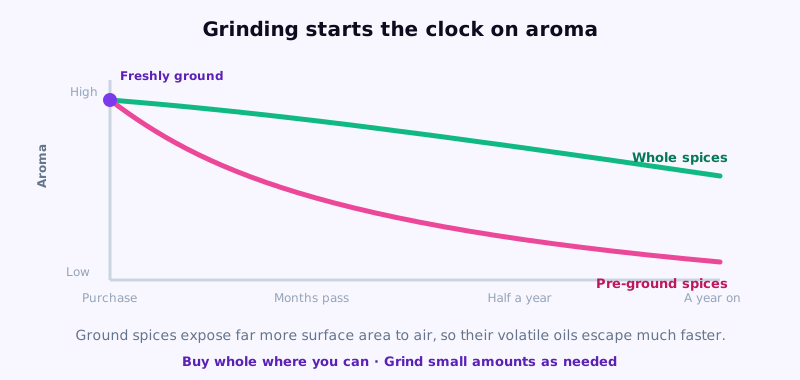
Both whole and ground spices have a place in a well-stocked kitchen, but they behave very differently and suit different situations. Understanding the distinction helps you get better flavour from your spice rack and spend your money more wisely. The general rule: buy whole when you want depth and longevity, buy ground when you need convenience and quick dispersal.
- Whole spices last 2–4 years: The essential oils remain locked inside intact seeds and pods, so cumin seeds, cardamom pods, and cinnamon sticks hold their potency far longer than pre-ground versions.
- Ground spices are more convenient: They disperse immediately into sauces, rubs, and batters without needing extra equipment — ideal for quick weeknight cooking.
- Grinding your own transforms flavour: Freshly toasted and ground cumin or coriander has an intensity that packaged ground spice simply cannot match — worth the two minutes for special dishes.
- A cheap blade grinder works well: A dedicated spice grinder costs little and opens up the full potential of whole spices; a pestle and mortar achieves the same result with more control.
- Buy ground for high-volume spices: Turmeric, paprika, and chilli powder are used in larger quantities and turn over fast enough that potency is rarely a concern.
Building a Beginner Spice Rack: Where to Start
Walking into a well-stocked spice aisle can feel overwhelming, and buying dozens of jars at once is expensive and wasteful. Instead, build your spice rack gradually around a core set of versatile spices that cover the widest range of cuisines and dishes. These seven essentials will take you from Indian curries to Spanish braises to Mexican tacos without overlap or redundancy.
- Cumin (ground and seeds): The single most versatile spice in the world kitchen — earthy, warm, and essential in Indian, Middle Eastern, and Latin American cooking.
- Smoked paprika: Adds depth, colour, and a gentle smokiness to everything from roasted vegetables to soups without adding heat.
- Turmeric: Bright golden colour, mild earthy flavour, and widely celebrated for its health properties — a cornerstone of South Asian cooking.
- Coriander (ground): Pairs with almost everything, adding a citrusy warmth that rounds out spice blends beautifully.
- Chilli flakes or cayenne: Adjustable heat in any dish — start with a small pinch and build to taste over time.
- Cinnamon (ground and sticks): Works in both sweet and savoury contexts — essential for curries, tagines, and baked goods alike.
- Garam masala: A pre-blended finishing spice that adds complexity and warmth to Indian dishes in seconds, with no measuring required.
Cooking with spices is fundamentally about curiosity and practice. The more you cook, the better your palate becomes at recognising what a dish needs and how to get there. Start with a few reliable spice combinations, taste as you cook, and don't be afraid to experiment. Over time you'll build an intuitive understanding of flavour that will improve everything you make.
Frequently Asked Questions
What are the most essential Indian spices to start with?
If you're building an Indian spice collection from scratch, start with these seven: cumin seeds, coriander powder, turmeric, red chilli powder, garam masala, mustard seeds, and dried red chillies. These cover the base of most North and South Indian cooking. With these seven you can make dals, sabzis, curries, and rice dishes. Once comfortable, add cardamom, cloves, cinnamon, and kasuri methi to expand your range further.
How long do spices stay fresh?
Ground spices are best within 6–12 months of opening. Whole spices last 1–3 years when stored properly. The test is simple: crush a small amount between your fingers and smell it. If the aroma is weak or flat, the spice has lost its potency and will add little to your cooking. Store all spices in airtight containers away from heat, light, and moisture — a drawer or closed cupboard away from the hob is ideal. Never store them above the stove where steam shortens their life.
Whole spices vs ground — which is better?
Whole spices are more potent and longer-lasting; ground spices are more convenient and integrate faster into dishes. Whole spices are typically tempered in hot oil at the start of cooking to release their flavour — cumin seeds, mustard seeds, cardamom pods, and cloves work this way. Ground spices are added mid-cook to build the flavour base. For the best results, buy whole spices and grind them yourself in small batches using a spice grinder or heavy mortar and pestle — the difference in flavour is significant.
How do you build a spice rack from scratch?
Start with the seven essential spices listed above and add gradually as you cook more recipes. Buy smaller quantities at first — a spice shop or Indian grocery store sells loose spices far more cheaply than supermarket jars, and you can buy exactly as much as you need. Use uniform airtight jars and label them clearly. Arrange them by frequency of use — daily spices at the front, occasional ones at the back. Review and replace any that have lost their aroma every 6–12 months.
What should you do if your spices have no smell left?
Old, odourless spices should be replaced — there is no method to revive them. Using them adds nothing to the dish and wastes cooking effort. To slow deterioration in future, buy smaller quantities more frequently, store in airtight tins or jars away from heat and light, and avoid scooping directly from the jar with a wet or steamy spoon. Dry-toasting whole spices briefly in a hot pan before grinding or using them releases volatile oils and restores some potency even in spices that are slightly past their best.