Sustainable Living Tips That Anyone Can Actually Follow
Easy, practical swaps that make your daily life more eco-friendly and sustainable

Sustainable living isn't about perfect environmentalism or dramatic lifestyle overhauls—it's about making mindful choices that reduce your environmental impact while often saving money and improving your quality of life. Every small action contributes to a larger movement toward environmental responsibility. The key is finding sustainable practices that align with your values, lifestyle, and budget, creating positive change that feels natural and maintainable over time.
Key Takeaways
- Start with what you already do daily. Energy, water and food habits repeat often enough to matter.
- Reducing consumption outranks recycling. Buying less avoids waste that recycling only manages.
- Sustainable choices often cost less. Lower usage and fewer purchases reduce spending.
- Consistency beats intensity. Small permanent changes outperform short-lived efforts.
Understanding Sustainable Living
Sustainable living means meeting our needs without compromising future generations' ability to meet theirs. This involves:
- Resource conservation: Using water, energy, and materials efficiently
- Waste reduction: Minimizing what we throw away and maximizing reuse
- Conscious consumption: Making thoughtful purchasing decisions
- Supporting regenerative practices: Choosing products and services that give back to the environment
- Local focus: Prioritizing local producers and reducing transportation impacts
The Environmental and Personal Benefits
Environmental Impact
- Reduced carbon footprint: Lower greenhouse gas emissions
- Resource conservation: Preserving water, energy, and raw materials
- Waste reduction: Less pollution and landfill burden
- Biodiversity protection: Supporting ecosystems and wildlife
- Climate action: Contributing to global climate change mitigation
Personal Benefits
- Cost savings: Reduced utility bills and less consumption
- Health improvements: Cleaner air, water, and food choices
- Simplified living: Less clutter and more intentional lifestyle
- Community connection: Local engagement and shared values
- Personal satisfaction: Alignment between values and actions
Energy and Water Conservation
Home Energy Efficiency
- Lighting: Switch to LED bulbs, use natural light when possible
- Heating and cooling: Adjust thermostats, use fans, improve insulation
- Appliances: Unplug devices when not in use, choose energy-efficient models
- Windows: Use curtains for temperature control, seal air leaks
- Smart power strips: Eliminate phantom energy usage from electronics
Water Conservation Strategies
- Fix leaks promptly: Even small drips waste significant water over time
- Shorter showers: Aim for 5-minute showers, use low-flow showerheads
- Efficient appliances: Full loads in dishwashers and washing machines
- Rainwater collection: Use rain barrels for garden watering
- Native landscaping: Choose plants adapted to local climate conditions
- Turn off taps: Don't let water run while brushing teeth or washing dishes
Sustainable Food Choices
Conscious Eating Practices
- Reduce meat consumption: Try "Meatless Monday" or plant-based meals
- Buy local and seasonal: Support farmers' markets and seasonal produce
- Grow your own: Start with herbs, lettuce, or tomatoes
- Minimize food waste: Plan meals, use leftovers creatively
- Organic when possible: Prioritize organic for the "dirty dozen" produce
- Bulk buying: Reduce packaging waste with bulk bins
Food Waste Reduction
- Meal planning: Plan weekly menus and shopping lists
- Proper storage: Learn how to store different foods for maximum freshness
- Use everything: Make stocks from vegetable scraps, use overripe fruit in smoothies
- Composting: Turn food scraps into nutrient-rich soil
- Share excess: Give away surplus produce to neighbors or food banks
Sustainable Transportation
Reducing Transportation Impact
- Walking and cycling: Choose human-powered transport for short trips
- Public transportation: Use buses, trains, and shared transit systems
- Carpooling: Share rides with coworkers, friends, or rideshare apps
- Trip combining: Bundle errands into single outings
- Remote work: Work from home when possible to reduce commuting
- Vehicle maintenance: Keep cars well-maintained for better fuel efficiency
Sustainable Travel
- Local tourism: Explore destinations close to home
- Longer, less frequent trips: Choose fewer but longer vacations over multiple short trips
- Eco-friendly accommodations: Choose hotels and lodges with green certifications
- Sustainable activities: Hiking, cycling, and nature-based tourism
- Carbon offsetting: Compensate for unavoidable air travel emissions
Waste Reduction and Recycling
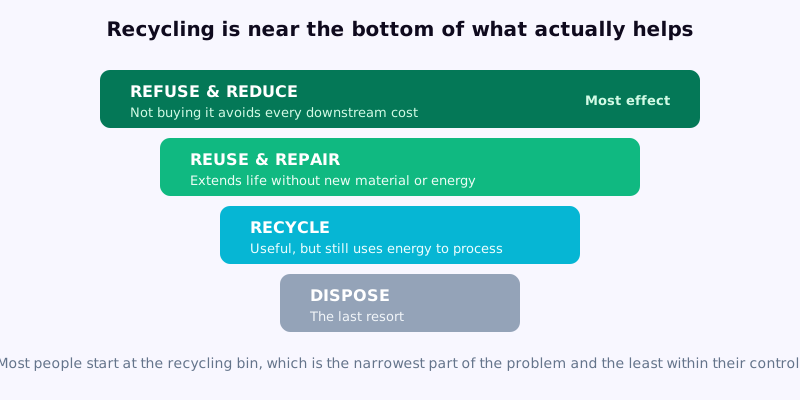
The 5 R's of Waste Reduction
- Refuse: Say no to unnecessary items like single-use plastics
- Reduce: Buy less and choose quality over quantity
- Reuse: Find new purposes for items before discarding them
- Recycle: Properly sort and recycle appropriate materials
- Rot: Compost organic waste to create nutrient-rich soil
Plastic Reduction Strategies
- Reusable bags: Keep shopping bags in your car and purse
- Water bottles: Use refillable bottles and water filters
- Food storage: Glass containers instead of plastic wrap
- Straws and utensils: Carry reusable alternatives
- Bulk shopping: Bring your own containers to bulk stores
- Alternative packaging: Choose products with minimal or recyclable packaging
Sustainable Shopping and Consumption
Conscious Consumer Practices
- Buy less, choose better: Invest in quality items that last longer
- Second-hand first: Check thrift stores, consignment shops, and online marketplaces
- Research brands: Support companies with strong environmental and social practices
- Minimalist approach: Consider whether you truly need an item before purchasing
- Multi-purpose items: Choose products that serve multiple functions
Sustainable Fashion
- Quality over quantity: Build a capsule wardrobe with versatile pieces
- Clothing care: Proper washing and maintenance extend garment life
- Clothing swaps: Trade items with friends or community groups
- Repair and alter: Fix damaged items instead of replacing them
- Ethical brands: Support companies with fair labor and environmental practices
- Natural fibers: Choose organic cotton, linen, hemp, and other sustainable materials
Green Home and Garden
Eco-Friendly Cleaning
- Natural cleaners: Use vinegar, baking soda, and lemon for most cleaning tasks
- Microfiber cloths: Effective cleaning with just water
- Concentrate products: Reduce packaging waste with concentrated formulas
- DIY solutions: Make your own cleaners with simple ingredients
- Refillable containers: Reuse spray bottles and containers
Sustainable Gardening
- Native plants: Choose species adapted to your local climate
- Composting: Create nutrient-rich soil from kitchen and yard waste
- Water-wise gardening: Use drought-resistant plants and efficient watering
- Organic methods: Avoid synthetic pesticides and fertilizers
- Pollinator support: Plant flowers that support bees and butterflies
- Seed saving: Collect and save seeds from your harvest
Digital Sustainability
Reducing Digital Carbon Footprint
- Email management: Unsubscribe from unnecessary emails, delete old messages
- Cloud storage: Regularly clean up files and photos in cloud services
- Streaming habits: Download content for offline viewing when possible
- Device longevity: Use devices longer, buy refurbished electronics
- Video call efficiency: Turn off cameras when not necessary during calls
Responsible Electronics
- Repair over replace: Fix devices when possible rather than buying new
- Proper disposal: Recycle electronics at certified e-waste facilities
- Battery care: Proper charging practices extend battery life
- Energy-efficient settings: Use power-saving modes and adjust screen brightness
- Share and borrow: Consider whether you need to own every device
Community and Social Sustainability
Building Sustainable Communities
- Skill sharing: Teach and learn from neighbors to reduce consumption
- Community gardens: Participate in or start local food growing initiatives
- Tool libraries: Share tools and equipment within your community
- Local advocacy: Support policies that promote sustainability
- Education and awareness: Share knowledge about sustainable practices
Supporting Sustainable Businesses
- Local businesses: Prioritize local shops and services
- B-Corps and certified companies: Support businesses with verified sustainability practices
- Farmers' markets: Buy directly from local producers
- Credit unions: Choose financial institutions that align with your values
- Sustainable investing: Consider ESG (Environmental, Social, Governance) investment options
Budget-Friendly Sustainability
Free and Low-Cost Green Living
- Walking and cycling: Save money while reducing emissions
- Growing food: Start small with herbs and lettuce
- DIY projects: Repurpose items instead of buying new
- Free events: Attend community workshops and environmental events
- Library resources: Borrow books, movies, and sometimes tools
Long-term Savings
- Energy efficiency: Initial investments pay off in reduced utility bills
- Quality purchases: Durable goods cost less over time
- Preventive maintenance: Regular care extends product lifespans
- Bulk buying: Reduce packaging costs and per-unit prices
- Skill development: Learn to repair and maintain items yourself
Starting Your Sustainable Journey
Beginner-Friendly First Steps
- Week 1: Bring reusable bags to the store
- Week 2: Start composting kitchen scraps
- Week 3: Switch to LED light bulbs
- Week 4: Plan one meatless meal per week
- Week 5: Walk or bike for one trip instead of driving
- Week 6: Make one DIY cleaning product
Building Sustainable Habits
- Start small: Choose one area to focus on at a time
- Track progress: Keep a simple log of sustainable actions
- Celebrate wins: Acknowledge positive changes you've made
- Learn continuously: Stay informed about new sustainable practices
- Connect with others: Find community with like-minded individuals
Measuring Your Impact
Simple Tracking Methods
- Utility bills: Monitor monthly energy and water usage
- Waste tracking: Note how much trash you produce
- Transportation log: Track walking, cycling, and public transit use
- Food choices: Monitor plant-based meals and local purchases
- Purchase decisions: Record sustainable vs. conventional choices
Carbon Footprint Awareness
- Use online calculators to estimate your environmental impact
- Focus on the biggest impact areas: transportation, food, energy, and consumption
- Set realistic goals for reduction
- Consider carbon offset programs for unavoidable emissions
- Remember that progress, not perfection, is the goal
Sustainable living is a journey, not a destination. Every small action contributes to positive change, both for your personal wellbeing and for the planet. Start where you are, use what you have, and do what you can. Remember that sustainable living should enhance your life, not burden it. By making mindful choices aligned with your values, you create positive ripple effects that extend far beyond your own household. The key is consistency and progress, not perfection. Together, our individual actions create a powerful collective impact toward a more sustainable future.
Frequently Asked Questions
Where should I start with sustainable living?
Start with the habits that are easiest to change in your current lifestyle. Swapping single-use items for reusables (water bottles, bags, coffee cups), reducing food waste, and switching to LED bulbs are all low-effort, high-impact starting points. You don't need to overhaul everything at once — picking two or three changes and sticking with them consistently does more good than attempting a complete transformation and burning out.
Is sustainable living expensive?
It doesn't have to be. While some eco-friendly products cost more upfront, many sustainable habits actively save money — buying less, repairing instead of replacing, reducing energy use, and eating less meat all cut costs over time. The key is to focus on reducing consumption overall rather than buying "green" versions of everything. Doing less and using less is often the most sustainable — and cheapest — approach.
What sustainable swaps also save money?
Some of the best sustainable swaps are also the most cost-effective. Bringing your own bags and bottles avoids constant purchases. Buying second-hand clothing and furniture saves a lot. Cooking at home and reducing food waste cuts grocery bills significantly. Using a programmable thermostat and air-drying clothes saves on energy. These aren't sacrifices — they're upgrades that happen to be better for your wallet and the planet.
How can I reduce plastic waste at home?
Start by auditing where plastic enters your home most — it's usually food packaging, toiletries, and cleaning products. Switch to bar soap and shampoo bars, use refillable cleaning products, buy fruit and vegetables loose where possible, and choose products in glass or cardboard over plastic. Refusing plastic at the source (saying no to bags, straws, and excess packaging) is more effective than recycling it after the fact.
What is the difference between sustainable living and zero waste?
Zero waste is a specific goal within the broader sustainable living movement — it focuses on eliminating all landfill-bound waste through refusing, reducing, reusing, recycling, and composting. Sustainable living is a wider concept that also includes energy use, food choices, transportation, and consumption patterns. Zero waste is admirable but can feel extreme; sustainable living is more flexible and accessible, making it easier to start and maintain long-term.