How to Plan a Trip From Scratch
How to plan a trip from start to finish — stress-free and on budget

Good trip planning is the difference between a holiday that unfolds smoothly and one where avoidable problems eat into precious time. But planning doesn't have to mean an obsessively detailed itinerary — it means having the important logistics sorted so that the spontaneous, unplanned moments have space to happen. This guide walks you through every stage of planning a trip, from the first spark of an idea to the day you return home.
Key Takeaways
- Set the budget before booking. Destination choice follows what you can realistically spend.
- Book the large fixed costs first. Flights and accommodation anchor everything else.
- Plan days loosely. Over-scheduled itineraries leave no room for weather or fatigue.
- Check insurance and documents early. Passport validity and cover are easy to overlook until too late.
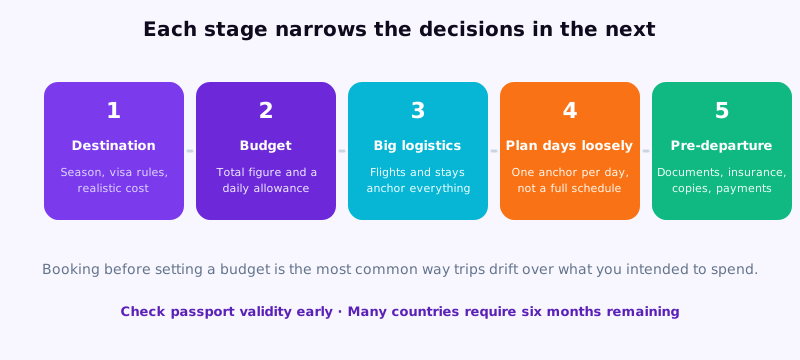
Step 1: Choose Your Destination
- Match to your interests: Cities, nature, beaches, history, food — where you'll thrive depends on what you love
- Consider the season: Check weather patterns, peak vs. shoulder season, and any local events or festivals
- Budget alignment: Some destinations are dramatically cheaper than others — compare accommodation and food costs
- Travel time and logistics: A 2-hour flight vs a 16-hour journey has real implications for a short trip
- Visa requirements: Check requirements early — some visas take weeks and must be arranged in advance
Step 2: Set Your Budget
- Break it into categories: Flights, accommodation, food, activities, transport, and a 15% emergency buffer
- Research realistic costs: Look at travel blogs or forums for up-to-date daily cost estimates for your destination
- Decide on priorities: Where will you splurge? Where will you save? Better to do one thing well than ten things cheaply
- Factor in pre-trip costs: Travel insurance, vaccinations, gear, and visa fees often get forgotten
- Track spending during the trip: A simple daily log prevents overspend mid-trip when it's hardest to adjust
Step 3: Book the Big Logistics
- Flights first: Airfare determines everything else — book when you find a reasonable fare, not just the cheapest
- Accommodation next: For popular destinations in peak season, book 2–3 months ahead for best options
- Travel insurance immediately after booking: Insure before anything can go wrong — pre-existing event claims are typically excluded
- Transfers if needed: Airport to accommodation — know how you're getting there before you land
- Key activities that require advance booking: Popular tours, restaurants, and attractions often sell out weeks ahead
Step 4: Plan Your Days (Loosely)
- Research what you actually want to see: Don't plan by what's in a guidebook — plan by what you're genuinely excited about
- Group activities by location: Cluster things geographically so you're not criss-crossing the city constantly
- Build in recovery time: Full days of sightseeing are tiring — schedule one slower day for every two busy ones
- Leave half your time unscheduled: Some of the best travel moments happen when you have nowhere to be
- Download apps for your destination: Offline maps, translation apps, and local transport apps before you fly
Step 5: Pre-Departure Checklist
- Passport validity: Most countries require 6 months validity beyond your travel date
- Travel insurance policy saved: On your phone and shared with someone at home
- Emergency contacts and accommodation details: Printed or saved offline in case of no internet
- Home secured: Lights on a timer, mail held, and a trusted neighbour informed
- Bank and phone notified: Alert your bank of travel dates to prevent card blocks abroad
- Health preparations: Any required or recommended vaccinations, and sufficient prescription medication
Understanding Travel Insurance (And Why It Matters)
Travel insurance is the single most overlooked part of trip planning — until something goes wrong. Medical emergencies abroad can cost tens of thousands of pounds or dollars without coverage, and trip cancellations, lost luggage, and flight delays can derail even the best-planned holiday. A good policy costs relatively little and pays for itself the moment you need it.
- Buy it immediately after booking: Policies only cover events that occur after purchase — buy before anything can go wrong, including illness before departure.
- Medical cover is the priority: Look for at least £5–10 million in medical cover, including emergency evacuation — this alone is worth the premium.
- Check cancellation cover: If your trip costs are significant, ensure cancellation cover matches what you've spent on flights and accommodation.
- Declare pre-existing conditions: Failing to disclose medical history can void your entire policy — always declare honestly.
- Annual multi-trip policies save money: If you travel more than twice a year, a single annual policy is almost always cheaper than insuring each trip separately.
- Read the excess carefully: A low premium with a high excess may offer poor value — calculate what you'd actually receive after a claim before buying.
Your One-Week-Before-Departure Countdown
The week before a trip is when small oversights become genuine problems. A structured final check removes the low-level anxiety that tends to build in the days before departure, letting you actually enjoy the anticipation of the trip rather than running mental checklists at 2am.
- Check passport validity: Confirm 6 months of validity remain beyond your return date — most countries require this and airlines enforce it at check-in.
- Online check-in: Opens 24–48 hours before most flights — do it promptly to secure better seat selection.
- Download everything offline: Maps, boarding passes, accommodation confirmations, and insurance documents should all be accessible without internet.
- Notify your bank: Call or use the app to flag your travel dates — prevents your card being blocked for suspicious overseas transactions on day one.
- Arrange home logistics: Hold your post, set lights on timers, and ensure a trusted person has a key and knows your rough itinerary.
- Charge and pack electronics last: Power bank, camera batteries, and adaptors — check the plug types used at your destination and pack the correct adaptor.
- Confirm all bookings: Quickly email or call accommodation, tours, and transfers to confirm reservations — catches any errors before you're standing at a closed door.
Frequently Asked Questions
How far in advance should you book a trip?
There is no booking window that guarantees the best price for every route. Start monitoring important trips early, especially when travelling during school holidays or other busy periods, and compare flexible dates, nearby airports, baggage rules, and total transport costs. Book when the fare and availability suit your plans rather than relying on a fixed number of weeks or months. Last-minute deals exist but are unreliable, so leave more time for trips with fixed dates or limited accommodation.
How do you plan a trip on a tight budget?
Start by choosing a destination where your currency goes further — Southeast Asia, Eastern Europe, and parts of South America offer excellent value. Book flights well in advance and be flexible on dates (mid-week flights are typically cheaper). Stay in hostels, guesthouses, or use homestay platforms rather than hotels. Eat where locals eat rather than at tourist-facing restaurants. Build a daily spending budget before you go and track it from day one.
What should you research before traveling somewhere new?
Research the visa and entry requirements first — this is non-negotiable and needs to be done early. Then look into: the best time to visit (weather, events), safe vs. areas to avoid, local customs and etiquette, how to get around (local transport options), and typical costs for food and accommodation. Check travel advisories from your government. Look up a handful of things you genuinely want to see or do rather than trying to plan every hour.
How do you handle travel plans that fall through?
The two best protections are travel insurance (which covers cancellation costs) and building flexibility into your itinerary so one cancelled activity doesn't derail the whole trip. When plans fall through mid-trip, use it as an opportunity to explore something you hadn't planned — some of the best travel moments come from detours. Keep a mental list of backup options for key plans like accommodation and transport so you're not scrambling from scratch.
What are some genuinely useful travel planning apps?
Google Maps offline maps are essential — download your destination before you go. TripIt organises all your bookings into a master itinerary. Skyscanner is useful for flexible flight searches. Rome2Rio shows how to get between any two places using all available transport options. XE Currency handles currency conversion. Notion or Google Docs works well for a shared trip planning document if you're travelling with others. Keep your insurance documents and hotel confirmations saved to Google Drive or similar.
What is the first thing to do when planning a trip?
Start by defining the trip's dates, purpose, budget, and non-negotiable activities before browsing flights. Then check entry requirements and the best season for the destination. This order prevents you from booking a cheap flight that does not fit your schedule, budget, visa situation, or the experience you actually want.
How do I plan a trip without making the itinerary too busy?
Choose one or two priority activities per day and group them by neighbourhood or route. Leave a buffer for transport, meals, weather, queues, and tiredness. Keep a short list of optional activities rather than booking every hour. A useful plan answers where you will sleep, how you will move around, and what matters most; it does not need to predict every moment.
The best-planned trips are those where the framework is solid enough to feel safe, but loose enough to allow the unexpected to happen. Do the logistics, book the essentials, research enough to know what you're walking into — and then trust yourself to figure out the rest. Every trip teaches you something about planning the next one better. The most important thing is to start.