Creative Upcycling Ideas: Give Old Items a Beautiful New Life
Creative ways to transform old items into something beautiful and useful

Upcycling — taking something old or unwanted and transforming it into something new and better — sits at the intersection of creativity, sustainability, and practicality. It keeps items out of landfill, saves money, and produces genuinely unique pieces that can't be bought in any shop. Whether you're working with furniture, glass jars, old clothing, or discarded timber, the upcycling mindset asks not "what is this?" but "what could this become?"
Key Takeaways
- Choose items worth the effort. Sound structure matters more than current appearance.
- Preparation determines the finish. Cleaning, sanding and priming decide how the result looks.
- Materials are easy to source cheaply. Household items and second-hand finds supply most projects.
- A few tools cover most work. Basic sanding, cutting and finishing equipment is enough to begin.
Choose a Project That Is Worth Doing
Before bringing an item home, inspect its condition and write down the complete job: cleaning, repairs, materials, disposal, and finishing time. Keep an upcycling project when the frame is sound, the result solves a real need, and the total cost is lower than a comparable replacement. Walk away from damp, pest-damaged, unstable, or heavily contaminated items unless you already know how they can be safely restored.
- Test the structure: sit on furniture, open every drawer, and check joints for movement before planning the finish.
- Clean before sanding: remove grease, dust, and unknown residue first; use ventilation and protective equipment appropriate to the material.
- Make a sample: test paint, glue, dye, or varnish on an unseen area or scrap before covering the whole item.
- Set a stopping point: photograph the item before starting and decide what “finished” means so extra decoration does not become endless rework.
Why Upcycling Is Worth Your Time
- Reduces waste: Every upcycled item is one less thing in landfill — genuinely meaningful sustainability
- Saves money: A painted and re-hardwared second-hand dresser costs a fraction of new furniture
- Creates unique pieces: Nothing you make will be identical to something from a shop
- Develops skills: Each project builds painting, woodworking, or sewing capability
- Satisfying process: The transformation from unloved to beautiful is deeply rewarding
Furniture Upcycling Projects
- Paint an old dresser: Sand, prime, paint in a bold colour, and swap the hardware — unrecognisable transformation
- Decoupage a side table: Apply printed paper or fabric with PVA glue for a completely new surface
- Reupholster dining chairs: Remove the seat pad, cut new fabric, and staple gun it in place — takes 20 minutes per chair
- Add legs to a vintage trunk: Attach hairpin or wooden legs to turn an old chest into a coffee table
- Convert an old door to a headboard: Mount a salvaged door horizontally behind a bed for dramatic, textural impact
Jar and Bottle Projects
- Candle holders: Clean glass jars with a tea light inside create instant warm ambiance
- Herb planters: Paint or wrap large jars, fill with potting mix, and grow herbs on the windowsill
- Kitchen storage: Decanted into matching glass jars, pantry staples look clean and organised
- Bathroom organisation: Cotton balls, cotton buds, and bath salts in apothecary jars look expensive
- Vase collection: Group vintage bottles in varying heights for an effortless floral arrangement
Textile and Clothing Upcycling
- Old jumpers to cushion covers: Cut, sew the edges, and insert a cushion pad — warm and textural
- Denim scraps to a patchwork throw: Sew old denim pieces together for a durable, characterful blanket
- Worn shirts to tote bags: Cut off the sleeves, stitch the bottom, and add handles — a usable everyday bag
- Curtains to table runners: Heavy curtain fabric makes an excellent long table runner
- Stained linen to kitchen cloths: Cut down and hem the edges — they're often better than shop-bought cloths
Where to Find Materials to Upcycle
- Charity shops and thrift stores: The best source for cheap furniture, frames, and homeware to transform
- Online marketplace free sections: People regularly give away items they just want removed
- Kerbside on collection days: Furniture left out is often excellent quality and free for the taking
- Your own home: Before buying anything, look at what you already have with fresh eyes
- Salvage yards: Architectural salvage yards have timber, doors, tiles, and ironwork at low cost
Essential Tools and Supplies for Upcycling
You don't need a fully equipped workshop to upcycle effectively, but having the right core tools prevents frustration and improves results dramatically. A small, well-chosen toolkit covers the vast majority of furniture, textile, and decorative projects. Build it gradually — start with what your first project requires and add from there.
- Sandpaper in multiple grits: 80-grit for stripping, 120-grit for smoothing, 220-grit for finishing — sanding is non-negotiable before painting furniture
- A good quality brush set: Wide flat brush for furniture, a small detail brush for edges and hardware — cheap brushes leave streaks
- Chalk paint or furniture paint: Chalk paint adheres without priming most surfaces and gives a beautiful matte finish straight from the tin
- PVA glue and decoupage medium: Glues paper and fabric to surfaces for decoupage; seals the finished result when applied as a top coat
- A staple gun: Essential for reupholstering chairs, recovering headboards, and any fabric project — one of the most versatile tools in the kit
- Wax or varnish for sealing: Finishing wax over chalk paint protects and gives a subtle sheen; clear varnish for high-traffic surfaces like table tops
Finishing Techniques That Transform Results
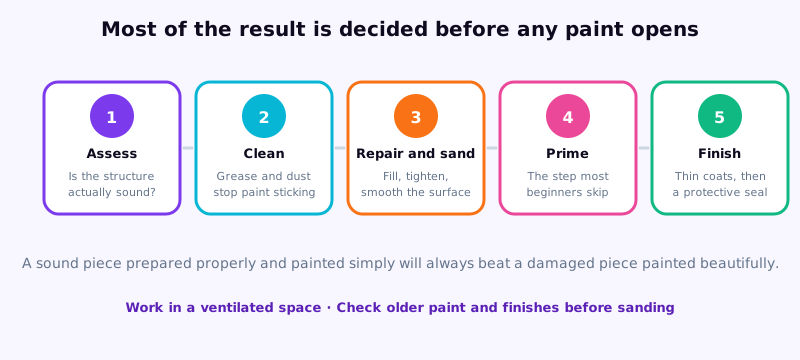
The difference between an amateur-looking upcycle and a professional finish is almost always the preparation and finishing stage — not the project itself. Rushing the final steps is the most common mistake. Taking time on surface preparation, applying multiple thin coats, and finishing properly elevates any piece from obviously DIY to genuinely impressive.
- Always prep the surface: Sand to remove the sheen, wipe clean with a damp cloth, and allow to dry completely — paint applied to a dirty or glossy surface will peel
- Thin coats, multiple layers: Two or three thin coats of paint out-perform one thick coat in coverage, durability, and final appearance
- Distressing for a vintage look: Once paint is dry, lightly sand edges and corners — this mimics natural wear and looks deliberately styled
- Staining wood for a natural finish: Wood stain penetrates rather than sits on the surface — wipe on, wipe off, and the grain remains visible
- Decoupage layering: Apply three or more coats of decoupage medium over your paper design, allowing each to dry fully — this builds a durable, glass-like finish
- New hardware makes the difference: Replacing handles, knobs, and hinges is the cheapest way to make a finished piece look expensive
Upcycling is a practice that grows with you. Your first project might be a painted jar; your tenth might be a fully transformed vintage wardrobe. What all these projects share is the underlying approach: seeing potential where others see waste, and applying time and creativity to make something genuinely good. Start with something small, enjoy the process, and let the results speak for themselves.
Frequently Asked Questions
What is the difference between upcycling and recycling?
Recycling breaks materials down to their raw form so they can be remade into new products — it involves an industrial process. Upcycling transforms an item directly into something of equal or greater value without breaking it down. An old ladder becoming a bookshelf is upcycling. Glass bottles melted to make new glass is recycling. Upcycling is generally more energy-efficient and produces a unique, creative result.
What items are easiest to upcycle at home?
Wooden furniture is the easiest starting point — a coat of chalk or milk paint transforms a tired piece completely. Glass jars and bottles make instant vases, candle holders, or storage containers. Old picture frames can be repainted and repurposed. Fabric scraps become cushion covers, tote bags, or patchwork. Pallets are one of the most popular items to upcycle because they are free, sturdy, and versatile.
What is the best paint to use for upcycling furniture?
Chalk paint is the most popular choice for furniture upcycling because it adheres to almost any surface without priming or heavy sanding, dries quickly, and produces a matte, vintage finish. Milk paint gives a similar look with a more natural composition. For a durable gloss finish on high-use surfaces like tabletops, a water-based eggshell or satin is better. Always seal with wax or varnish after painting for longevity.
Where can you find items to upcycle?
Charity shops and thrift stores are the best source — furniture, frames, and ceramics are regularly donated. Online marketplaces like Facebook Marketplace and Craigslist often list free or very cheap items that people just want removed. Skips and skip-hire days in your neighbourhood are another source. Flea markets, car boot sales, and estate sales often have old pieces at very low prices that respond well to paint and repair.
How can you sell upcycled items?
Etsy is the primary marketplace for handmade and upcycled goods and has a large, ready audience for well-photographed pieces. Facebook Marketplace and Instagram are effective for local selling without shipping. Markets, craft fairs, and pop-up events allow you to build a face-to-face customer base. Good photography is the single biggest factor in selling online — natural light, a clean background, and multiple angles make a significant difference to sales.