Work-Life Balance Tips for People Who Work From Home
Create harmony between your professional ambitions and personal well-being for a sustainable, fulfilling life
For informational purposes only. This content reflects general guidance; individual results and circumstances vary.

Key Takeaways
- Balance is personal, not a fixed ratio. What works depends on your role, stage of life and priorities.
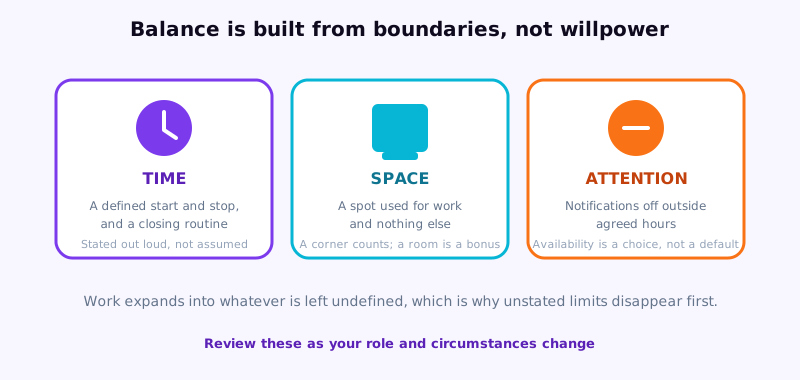
- Boundaries need to be explicit. Unstated limits are the first thing work expands into.
- Small daily practices outperform occasional resets. Recovery works best when it is routine.
- Review it periodically. Circumstances change and arrangements should change with them.
Finding Your Equilibrium
Work-life balance isn't about splitting your time perfectly 50/50 between work and personal life. It's about finding a rhythm that allows you to be productive and fulfilled professionally while maintaining your health, social connections, and personal interests. In today's always-connected world, the boundaries between work and home have become increasingly blurred, making intentional balance more important than ever.
Long or unpredictable work hours can leave people exhausted, detached from their work, and less able to concentrate. The warning signs and impact vary from person to person, so treat this guide as a practical starting point rather than a medical assessment. If stress or exhaustion is persistent or affecting daily life, speak with a qualified health professional and consider discussing workload with your manager.
True balance looks different for everyone. A new parent's balance will differ from a single professional's. What matters is that you feel energized rather than drained, that your social connections are nourished, and that you have time for activities that bring you joy outside of work. This guide will help you identify your ideal balance and create sustainable strategies to maintain it.
Steps to Achieve Work-Life Balance
Set Clear Work Boundaries
Choose a start time, finish time, and one channel for genuine urgent requests. Put those three details in your status message or team calendar. For example: "Available 9:00-17:30. I check email until 17:00. For an urgent production issue, call me." A boundary is easier for other people to follow when it explains what to do instead.
When a late request arrives, use a specific reply instead of an automatic yes: "I can review this tomorrow morning and send feedback by 10:30. If that deadline cannot move, which current task should I pause?" Keep notifications off after your stated finish time and record exceptions for one week so you can discuss a recurring workload problem with evidence.
Prioritize and Delegate
At the start of the week, list every recurring task and label it must do, should do, or optional. Then choose no more than three must-do outcomes for each workday. If a new task arrives, place it against that list instead of silently adding it. This makes trade-offs visible when priorities compete.
For household work, assign an owner and a next action rather than writing "sort the house" or "manage groceries." For example: "Ravi: choose meals by Wednesday; Sam: place the order Thursday." The point is not to divide every minute equally; it is to prevent important tasks from remaining invisible in one person's head.
Unplug and Disconnect
Start with one repeatable rule instead of trying to disconnect from everything: no work apps during dinner, no laptop in the bedroom, or one uninterrupted lunch away from your desk. Put the rule on your calendar, silence only the relevant notifications, and tell close colleagues when you will next be available.
After seven days, ask whether the rule reduced interruptions, improved your transition out of work, or created a problem you need to solve. Keep it, adjust it, or replace it. A small rule that survives a busy week is more useful than an ambitious digital break that lasts one day.
Protect Your Rest and Recovery
Treat rest with the same importance as your most critical work meeting. Schedule downtime in your calendar and guard it fiercely. This includes getting seven to nine hours of sleep, taking regular breaks during the workday, using your vacation days, and engaging in activities that genuinely recharge you — whether that's reading, hiking, socializing, or simply doing nothing.
Watch for patterns such as persistent fatigue, growing cynicism about work, difficulty concentrating, increased irritability, or recurring physical discomfort. These signs can have many causes and are not a diagnosis. If they continue, scale back commitments where possible, talk to your manager about workload, and seek professional advice rather than relying on self-care alone.
Invest in Your Personal Life
No one on their deathbed wishes they'd spent more time at the office. Deliberately invest time and energy in the people and activities that matter — plan family activities, maintain friendships, and be fully present during personal interactions. Put your phone away during conversations and give people your undivided attention.
Strong social connections support long-term happiness and health. The Harvard Study of Adult Development, which tracked participants for over 80 years, found that meaningful connection is an important factor in a fulfilling life. Make time for the people and activities that matter part of your weekly schedule.
Benefits of Work-Life Balance
Increased Productivity
Working longer is not always the same as making progress. Clear priorities, uninterrupted focus, and regular recovery can make work more sustainable and may improve the quality of decisions. The right balance depends on the role, workload, and individual, so use your own energy and output as feedback rather than treating one weekly-hour threshold as universal.
Better Physical Health
A more manageable schedule creates room for sleep, movement, meals, relationships, and recovery. Those habits support general well-being, but work-life balance is not a substitute for medical care. If overwork is affecting your health, seek individual advice from a qualified professional.
Enhanced Mental Well-being
Time for rest, hobbies, and social connection can make it easier to notice and respond to stress. These practices may support well-being, but they do not prevent or treat anxiety or depression for everyone. If your mood or stress is difficult to manage, contact a qualified health professional.
Stronger Social Connections
Being present for the people you care about creates lasting memories. Overwork strains social connection through absence, irritability, and emotional unavailability. When you maintain balance, you have the energy and attention to connect with partners, children, friends, and family — enriching your life immeasurably.
Practical Implementation Strategies
Time-Blocking Your Day
Divide your day into dedicated blocks for focused work, meetings, breaks, exercise, family time, and personal activities. Treat personal blocks with the same respect as work meetings. Use calendar apps to visualize your day and ensure you're allocating time to all areas of life. Review your time blocks weekly and adjust based on what's working and what isn't.
Creating Transition Rituals
Develop rituals that help you mentally shift between work mode and personal mode. This could be a short walk after work, changing clothes, listening to a specific playlist, or spending ten minutes journaling about your day. These transition rituals signal to your brain that it's time to shift focus, making it easier to be fully present wherever you are.
Communicating Your Needs
Have honest conversations with your manager about workload expectations, flexible working arrangements, and boundaries. Most employers respect employees who are proactive about maintaining their well-being. Frame these conversations around productivity and performance — explain how balance makes you more effective, not less. Also communicate your needs to family and friends so they can support your boundaries.
Weekly Balance Audits
Spend fifteen minutes at the end of the week recording four facts: planned finish time, actual finish time, one protected personal activity, and your energy from 1 to 5. Look for a repeated pattern rather than judging one difficult day. If meetings regularly push work late, propose a concrete change such as a meeting-free block or a revised deadline; if recovery keeps disappearing, schedule it before optional work.
Frequently Asked Questions
Why is work-life balance harder when working from home?
When your home is also your office, there's no physical transition between work and personal time. You're always near your desk, always reachable, always reminded of unfinished tasks. The absence of a commute removes the mental buffer that used to signal the shift. Without intentional boundaries, work expands to fill all available space — both physical and mental.
How do you signal the end of the workday when working from home?
Create a shutdown ritual: close your laptop, tidy your desk, write tomorrow's top priorities, then physically leave your workspace. Some people take a short "fake commute" walk around the block. Changing clothes, making a specific drink, or switching on certain lights can all serve as psychological cues that work is done. Consistency with these rituals trains your brain to switch off.
How do you set limits with family members when working from home?
Communicate your work hours clearly and, where possible, display them visually (a do-not-disturb sign, a status light). Create a dedicated workspace with a closed door if available. Have an honest conversation with your household about when interruptions are fine and when they aren't. Children especially benefit from predictable schedules that show them exactly when parent-time begins.
Can work-life balance exist in a high-demand job?
Yes — though it may look different than in a 9-to-5 role. Balance doesn't have to mean equal split; it means sustainable. Even in demanding jobs, protecting a few recovery rituals (proper sleep, one genuinely free evening, a morning routine) can prevent burnout. The key is identifying your non-negotiables and defending them consistently, not perfectly.
What are the signs your work-life balance is off?
Warning signs include: difficulty fully relaxing even on weekends, physical symptoms like insomnia or tension headaches, feeling guilty when not working, neglecting social connection or hobbies, constant mental preoccupation with work tasks, and dreading Monday from Saturday evening onward. If several of these are familiar, it's time to audit your boundaries and workload.
Take Back Your Balance Today
Achieving work-life balance is an ongoing process, not a destination. Start with one small change this week — set a firm end-of-day boundary, schedule a hobby you've neglected, or have a conversation with your manager about workload. Small, consistent steps lead to transformative results.